
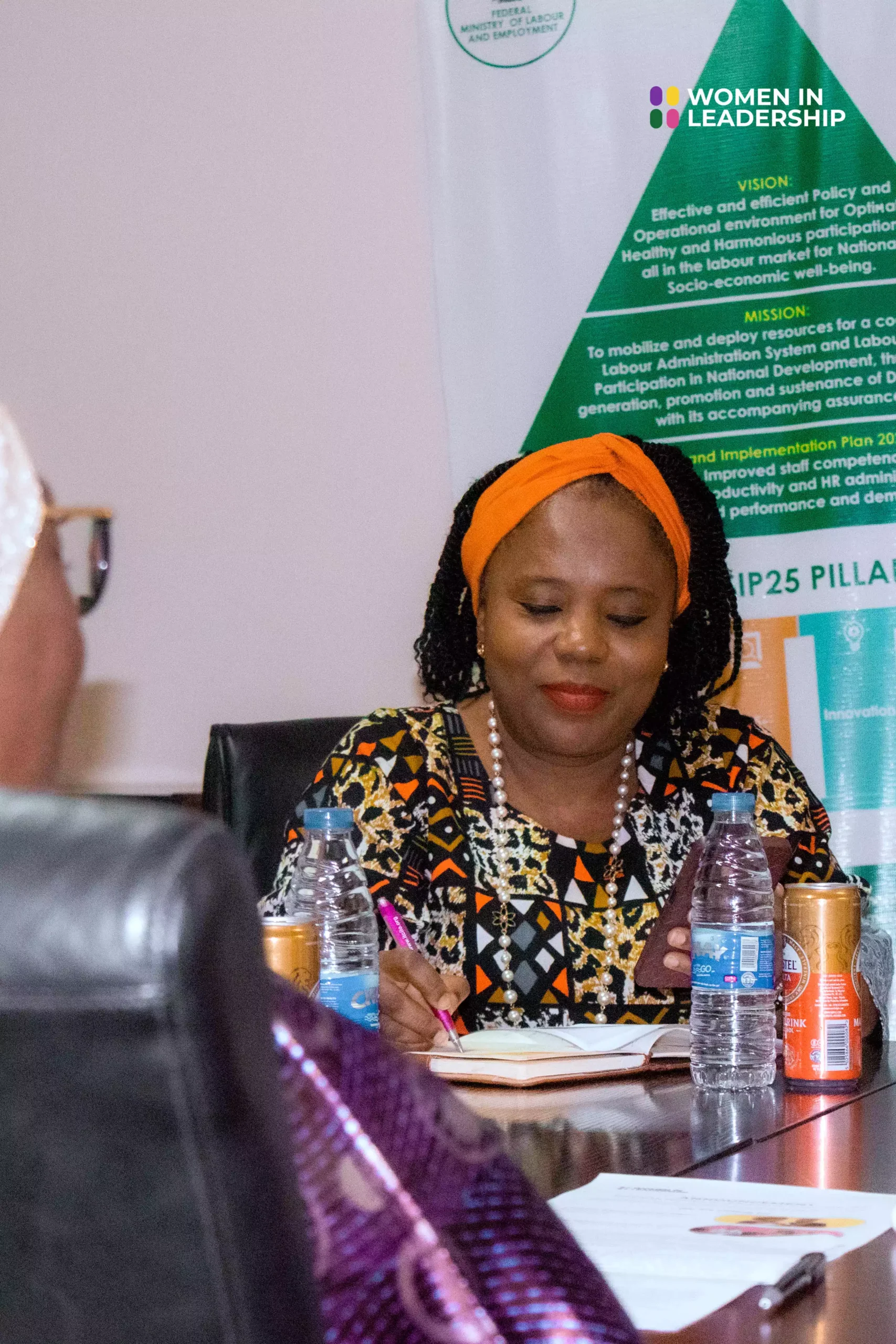
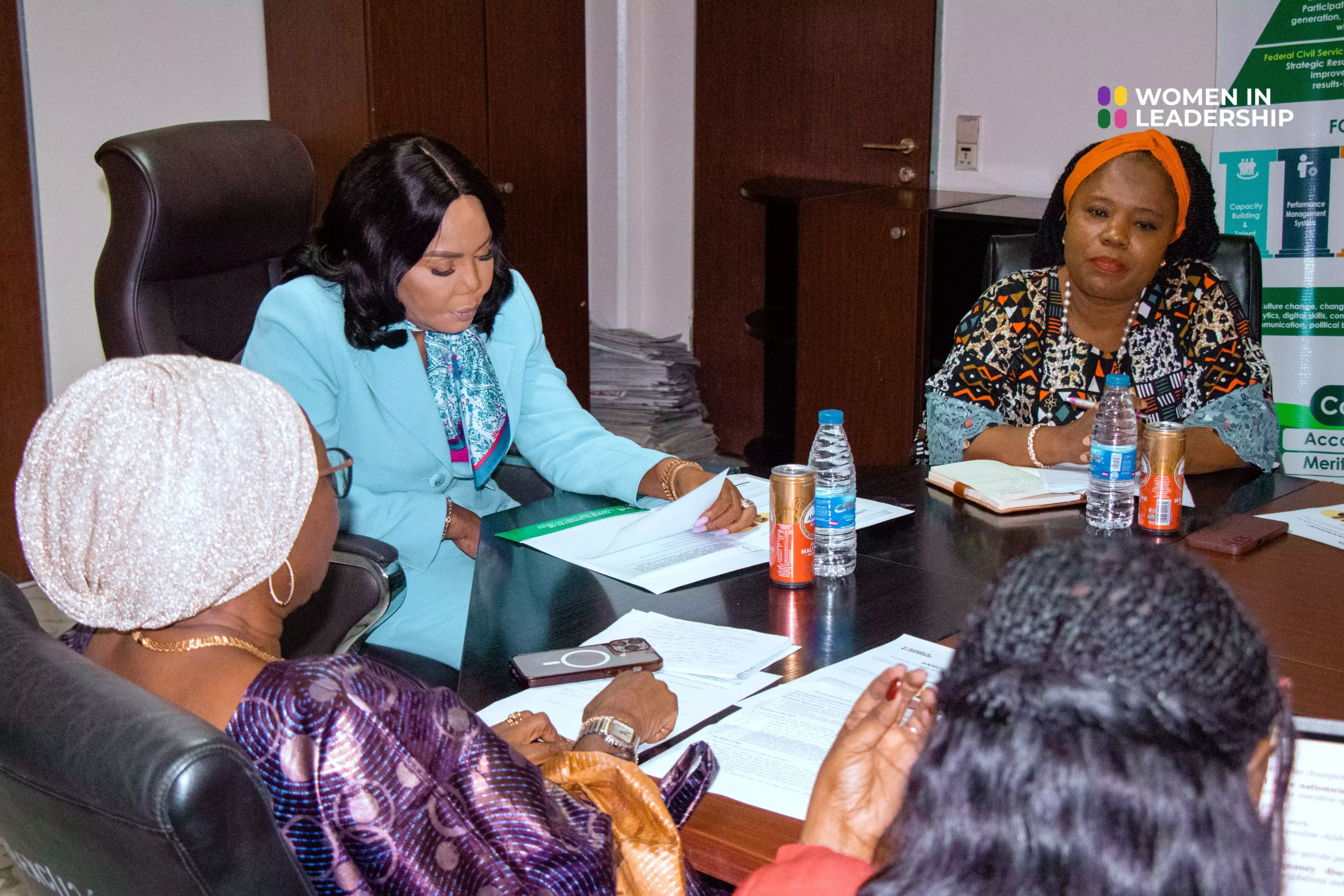


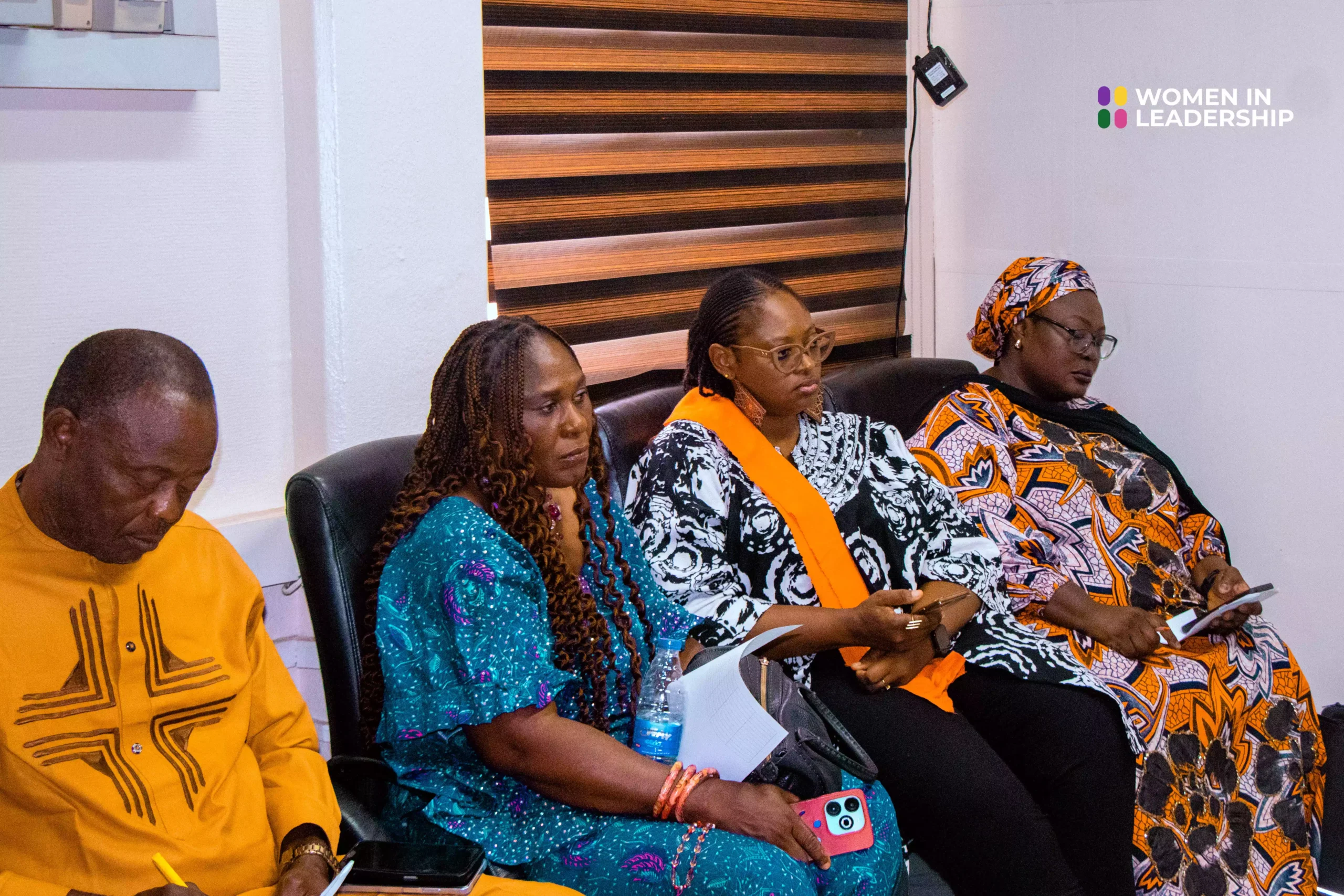
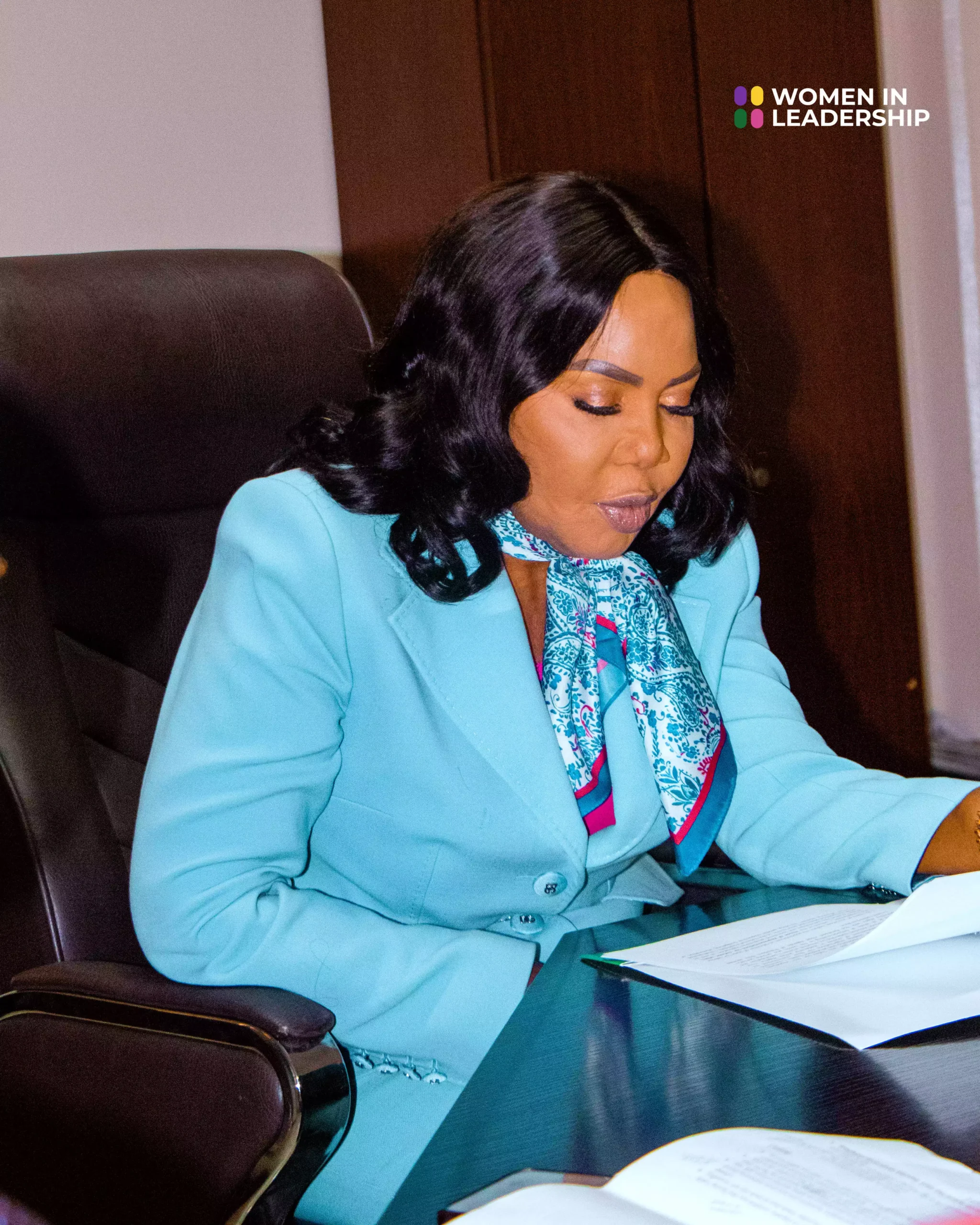
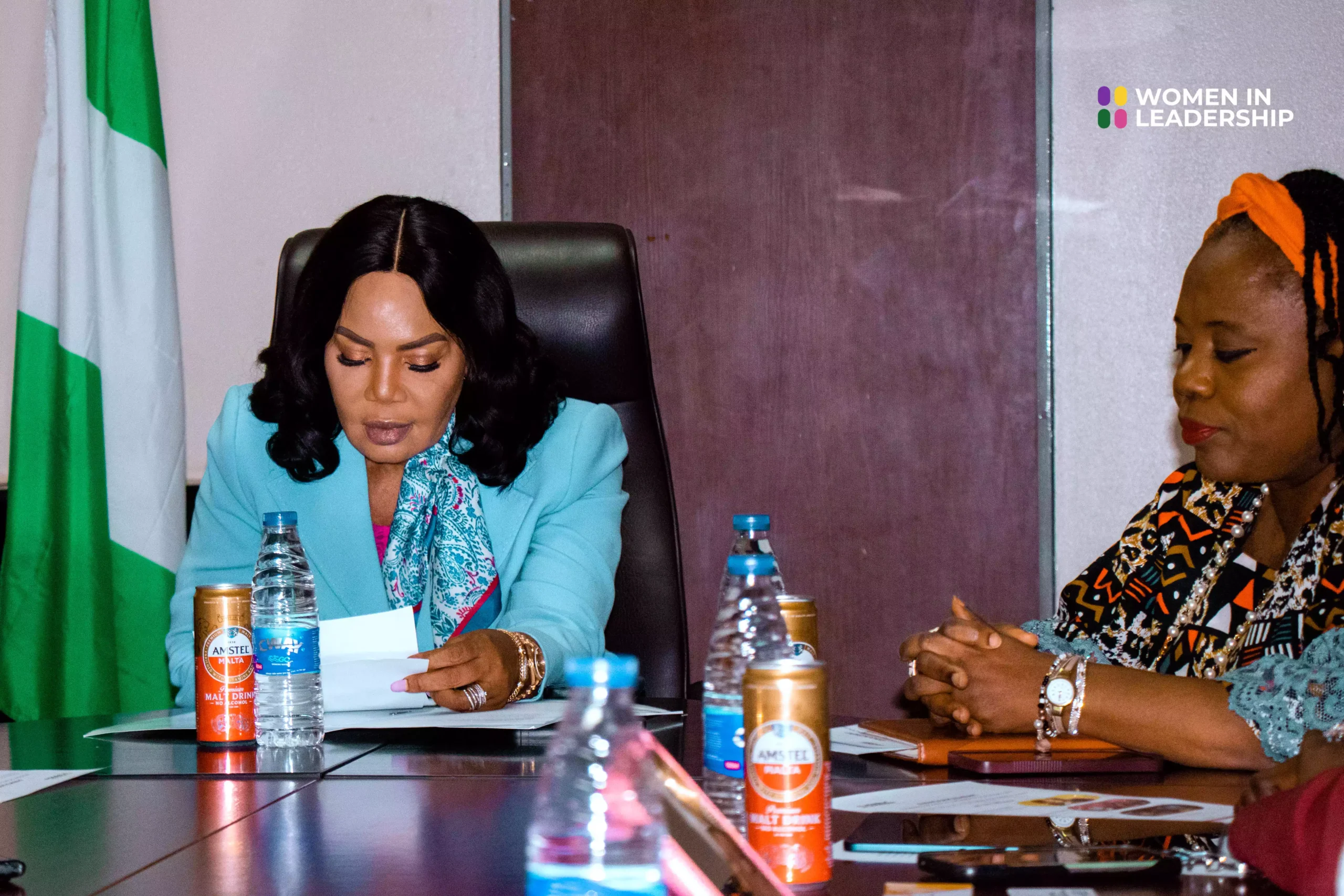
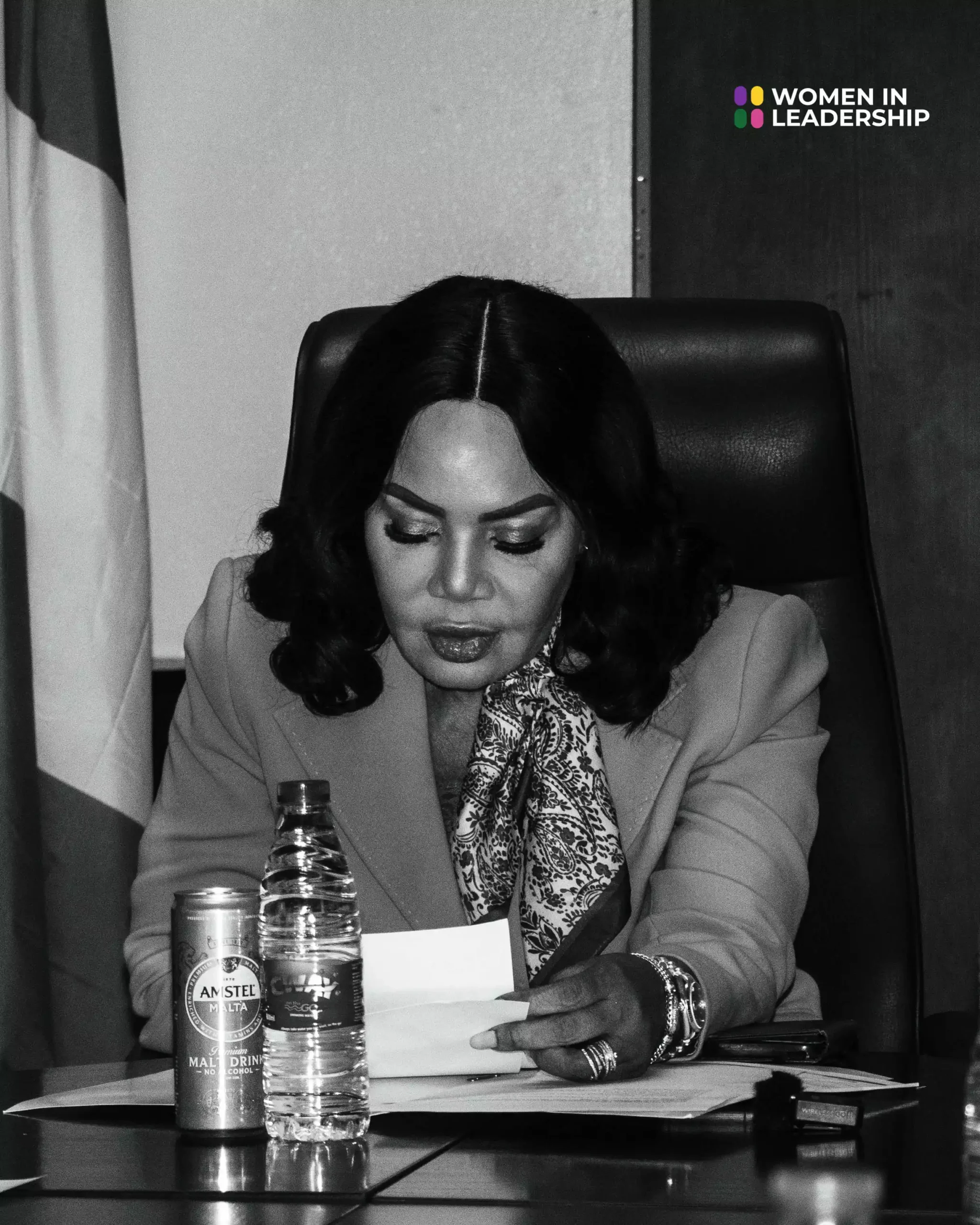
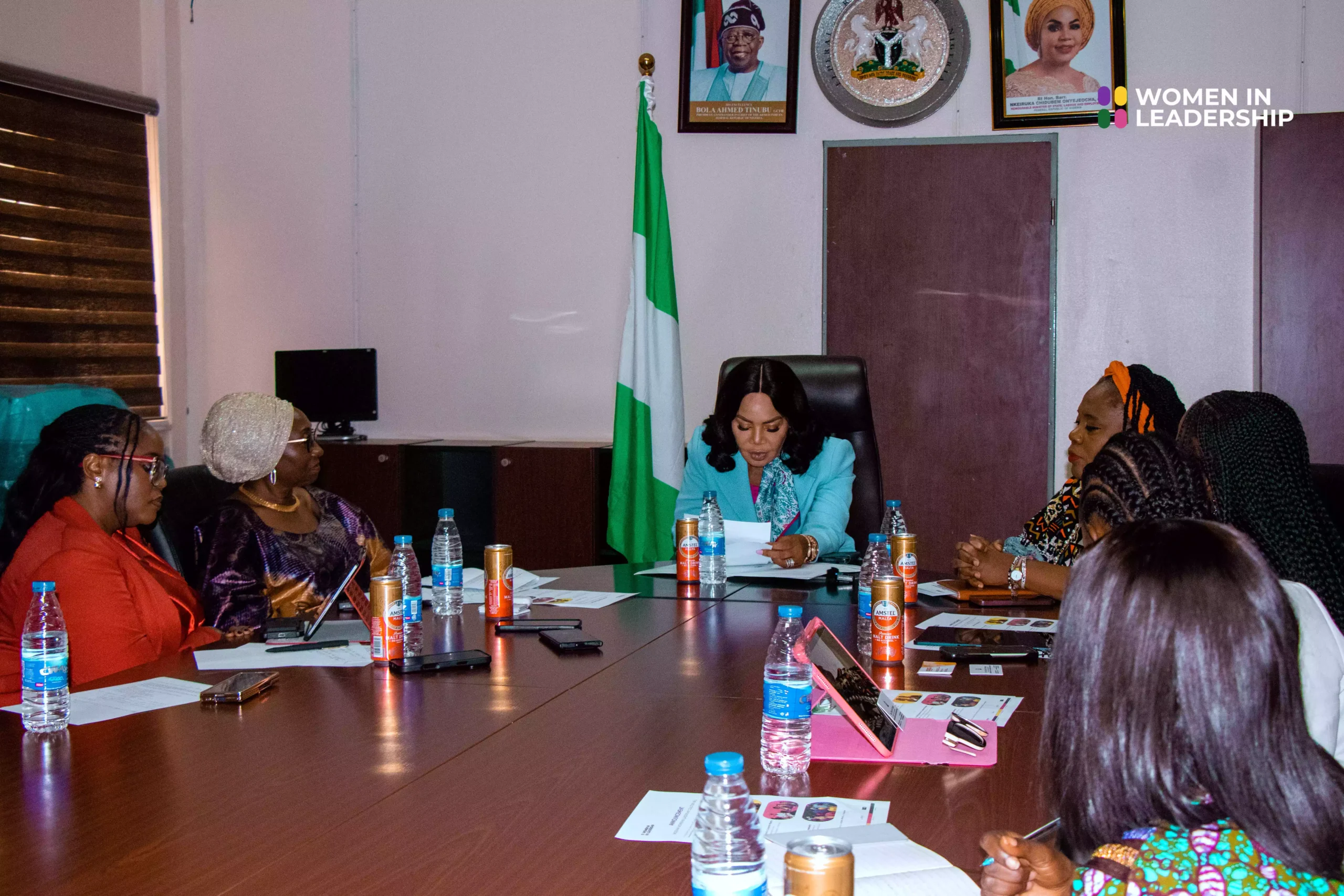

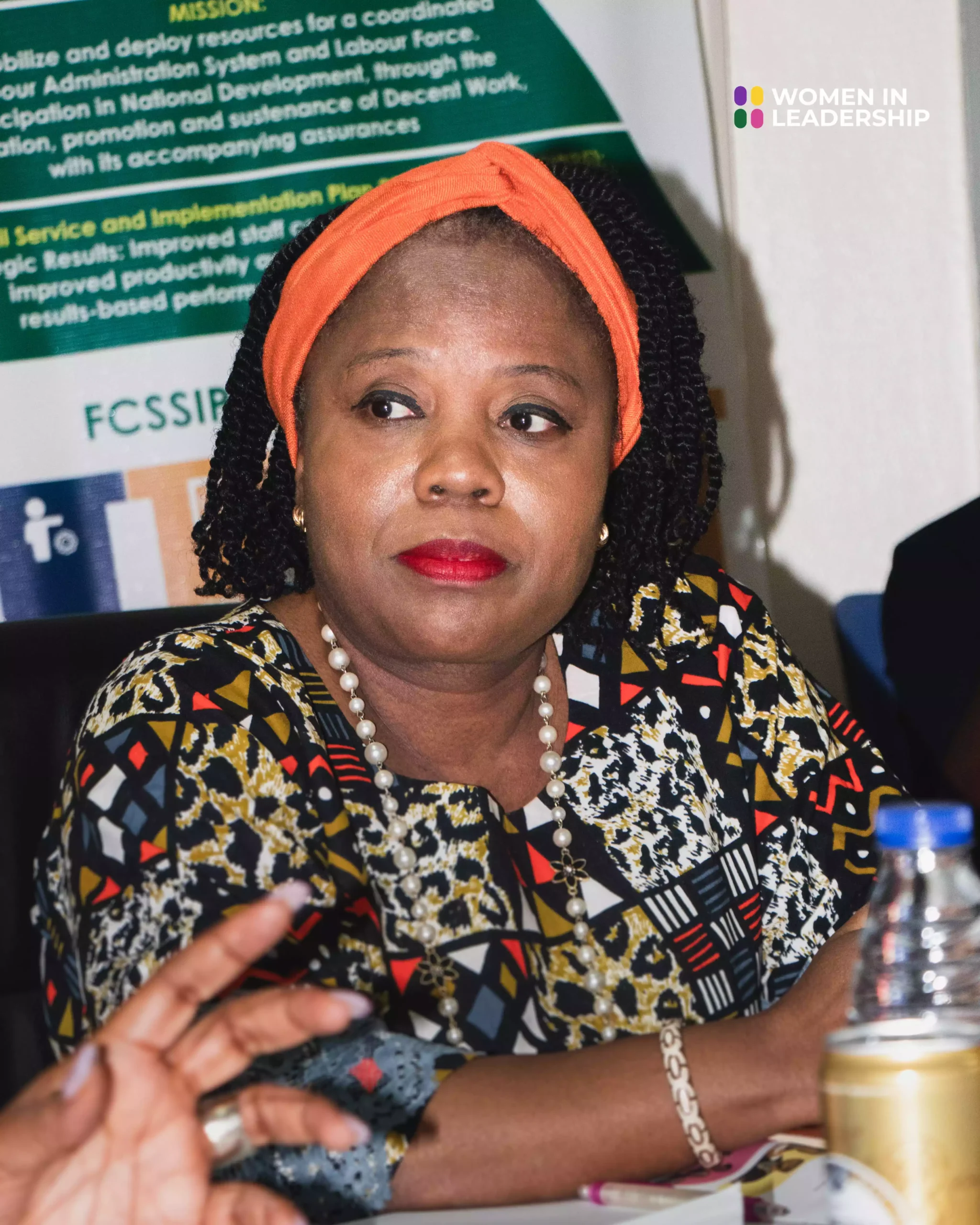
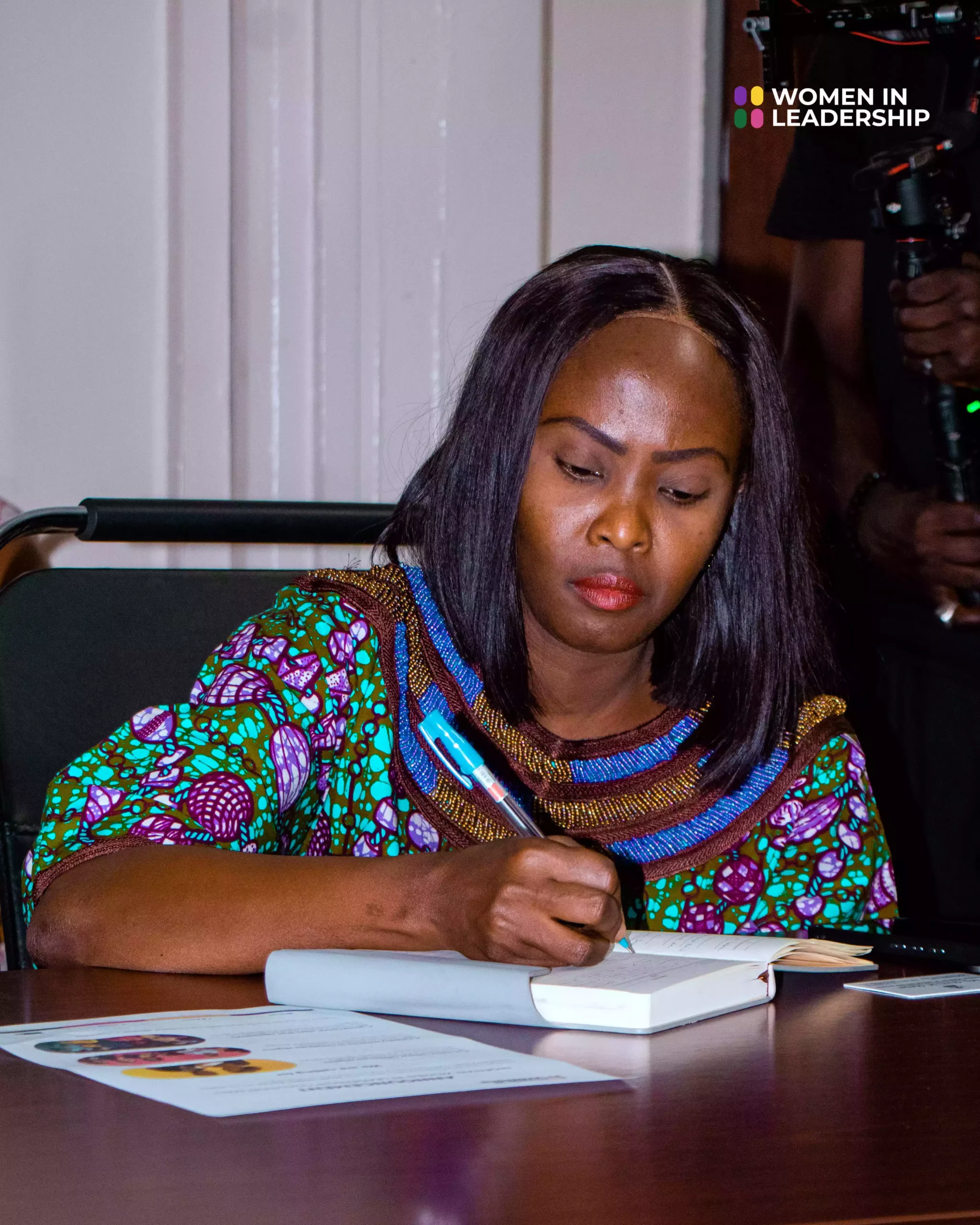
The Nigerian Women in Leadership (WIL) Coalition convened a high-level policy meeting with the Honourable Minister of State for Labour and Employment, Nkeiruka Onyejeocha, to advance critical labour reforms and strengthen gender inclusion within Nigeria’s governance and corporate systems.
The engagement marks a significant step in the Coalition’s reform agenda, positioning women’s leadership not as a social aspiration, but as an economic and governance
imperative.
Representing a strategic alliance of Women in Leadership Advancement Network (WILAN), WIMBIZ, WISCAR, and the Nigeria Governors’ Forum, alongside Caring Africa, the Coalition presented a unified reform framework addressing parental leave policy, workplace protections, care economy recognition, and women’s political representation.
Advancing Labour Reform: From Advocacy to Policy Review
Central to the discussion was the Coalition’s proposal for a national minimum of 16 weeks fully paid maternity leave and 14 days paid paternity leave across the civil service, listed companies, and large businesses.
The Coalition underscored that the current 12-week half-pay maternity leave structure contributes to women’s attrition from the workforce, weakening leadership pipelines and
diminishing returns on national investments in women’s education and skills development.
In response, Minister Onyejeocha affirmed that the Federal Government’s ongoing review of labour laws presents an opportunity to address existing policy gaps that limit women’s workforce participation. She further indicated that the Ministry is strengthening its labour inspectorate systems to improve enforcement of equal pay standards, maternity protections, and workplace safety regulations.
The Minister’s commitment signals institutional openness to reforms long championed by women’s leadership advocates.
Recognising the Economic Value of Care
The Coalition also highlighted the scale of Nigeria’s undervalued care economy, noting estimates that women contribute approximately $114 billion annually in unpaid care work. Members advocated for childcare subsidies, professionalisation of childcare services, and stronger safeguards against pregnancy-related workplace discrimination, framing care reform as an economic strategy, not a welfare concession.
Strengthening Political Representation
Beyond labour reform, discussions extended to governance inclusion. Minister Onyejeocha reiterated the Federal Government’s commitment to achieving a minimum of 35 per cent female representation at all levels of government, reinforcing alignment with the Coalition’s call for structural inclusion in cabinet and executive decision-making spaces.
The Nigeria Governors’ Forum further shared progress at the state level, noting that nine states have adopted six months paid maternity leave, with efforts underway to expand
implementation to at least 20 states by 2027.
A Strategic Inflection Point
This engagement represents more than a policy dialogue. It reflects a growing convergence between civil society leadership, state actors, and executive institutions around the necessity of gender-responsive reforms.
For the WIL Coalition, the meeting reinforces a core principle: systemic barriers to women’s leadership must be dismantled through deliberate policy action, enforceable standards, and cross-sector accountability.
As labour law reforms progress and national governance conversations evolve, the Coalition will continue to engage institutional stakeholders to ensure that commitments translate into measurable outcomes, strengthening Nigeria’s workforce, corporate governance, and democratic leadership landscape.