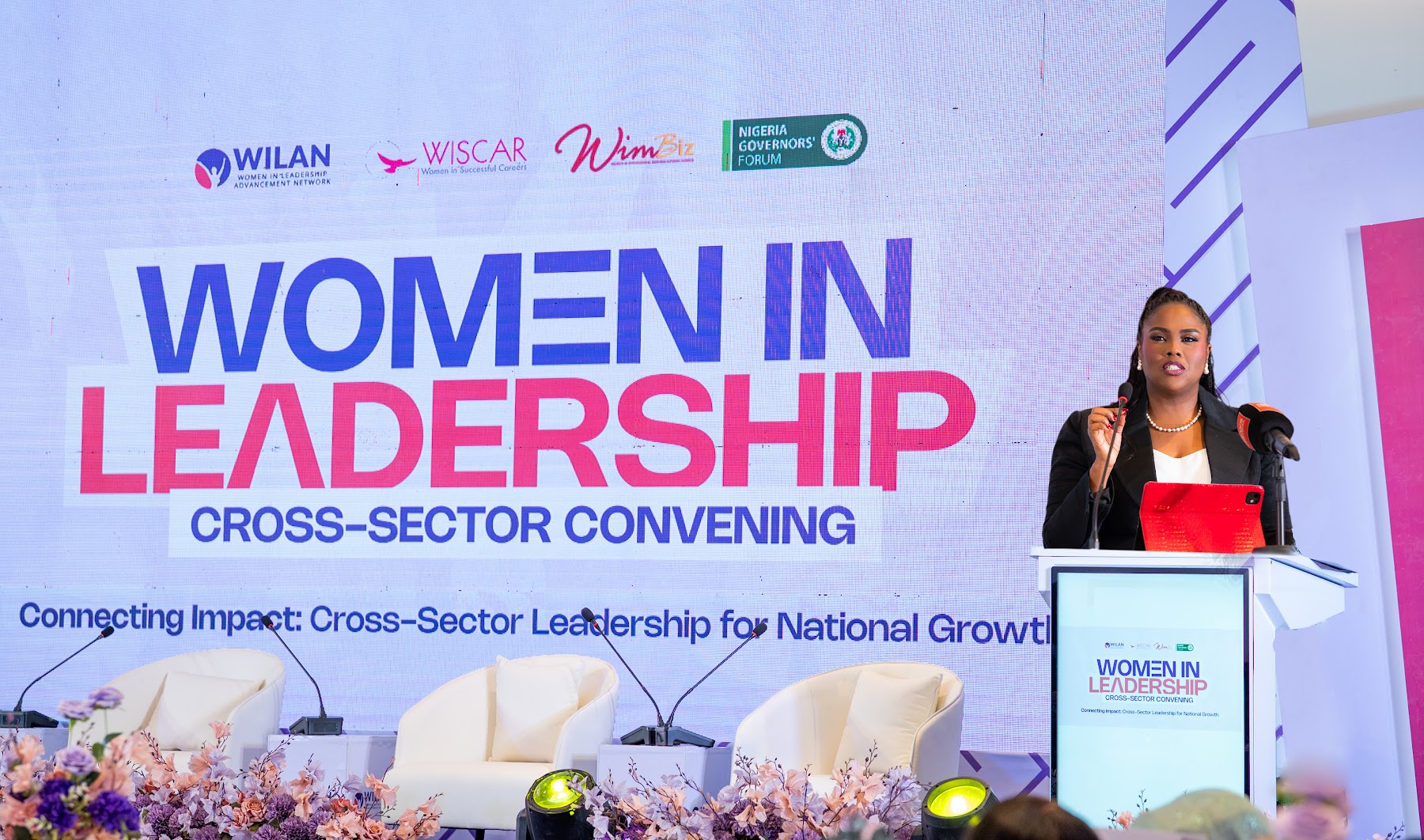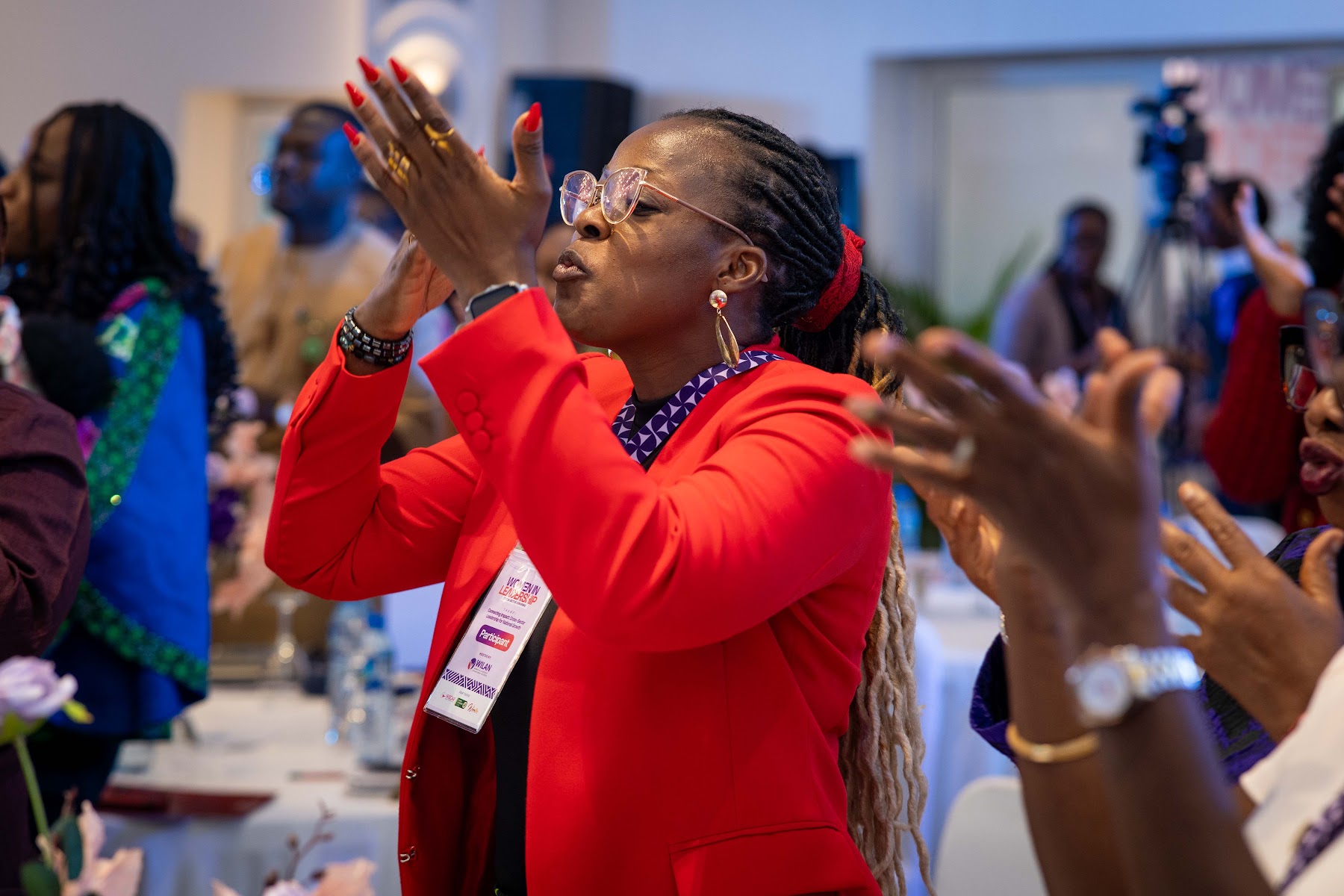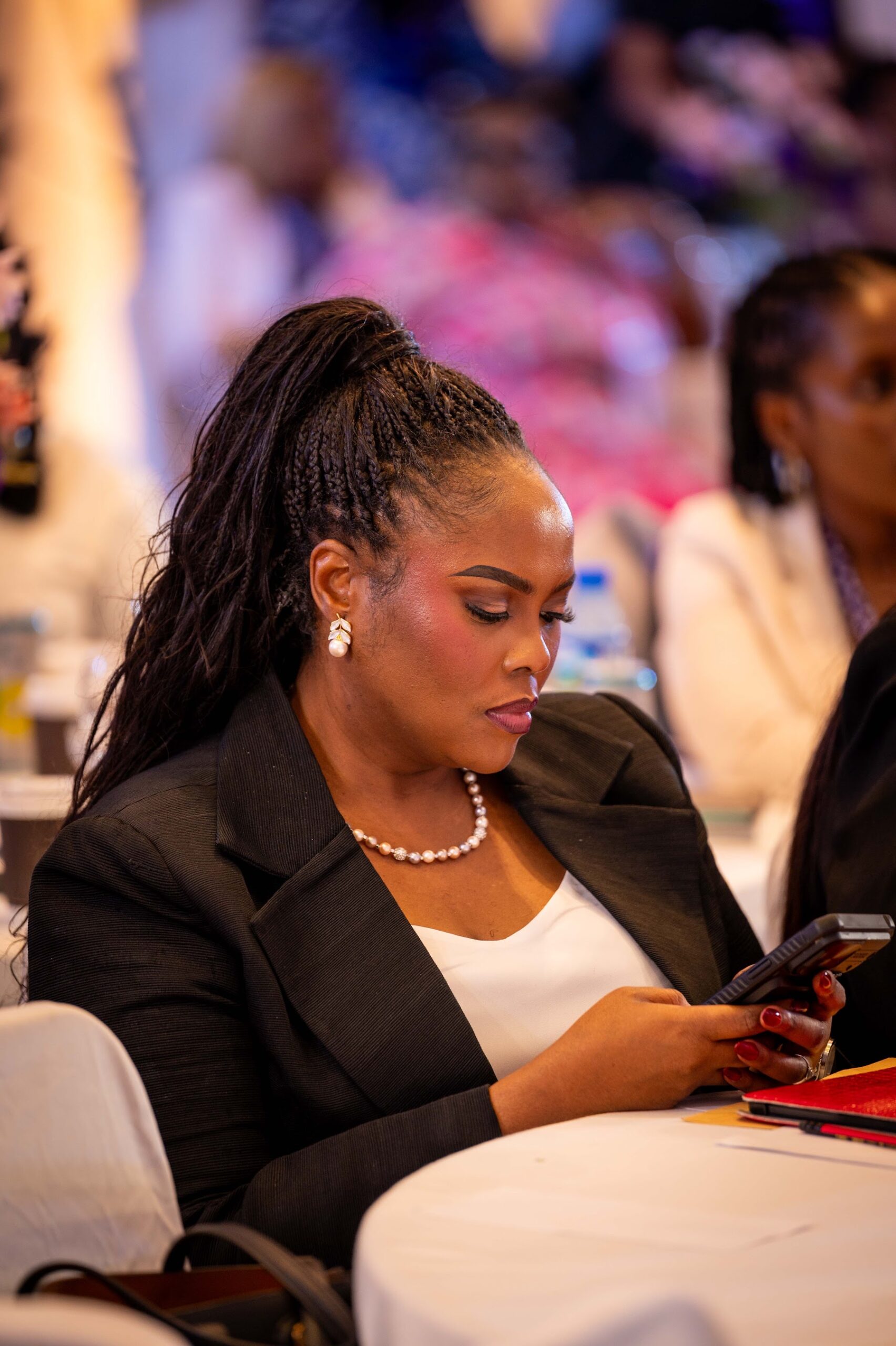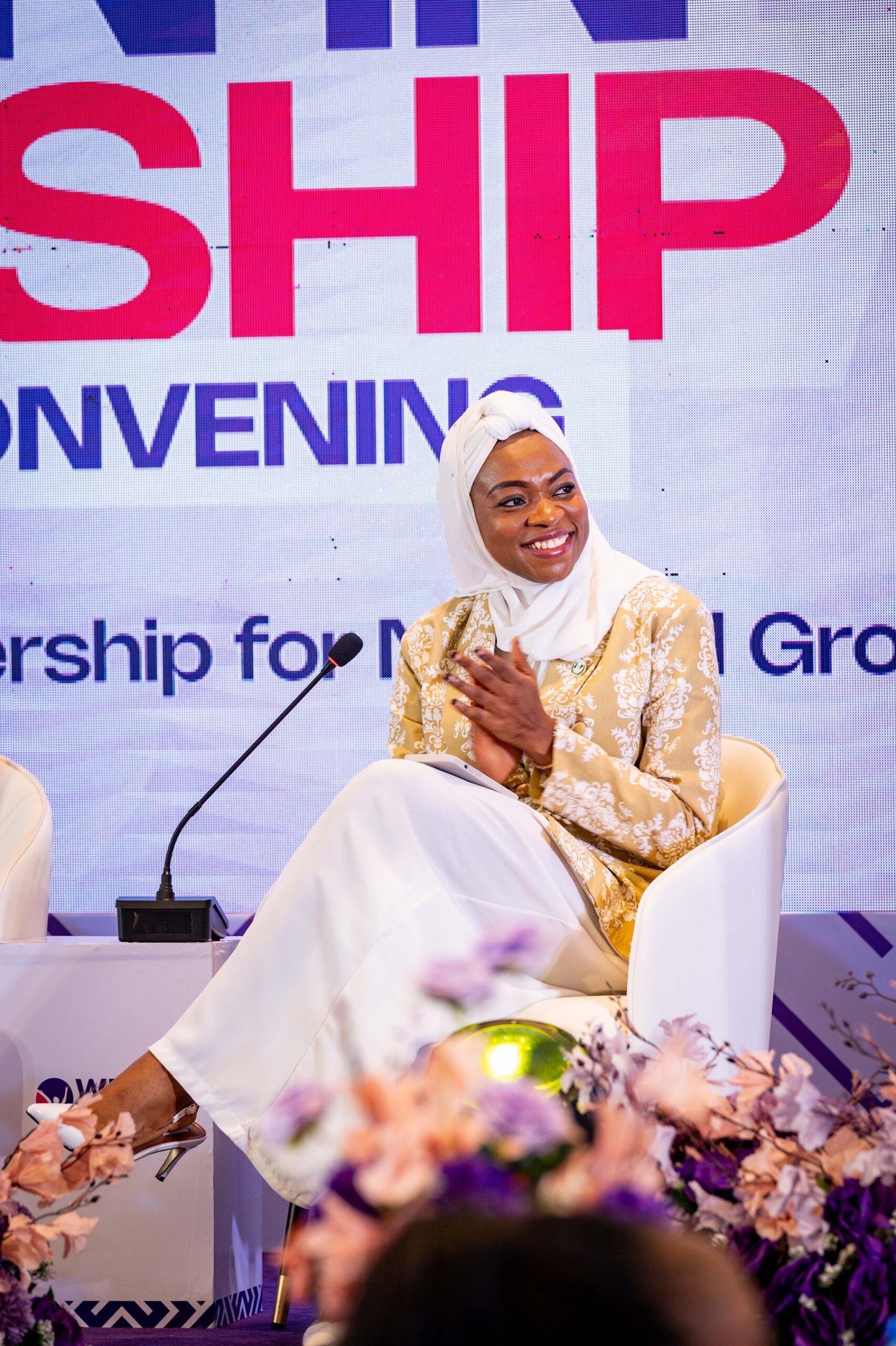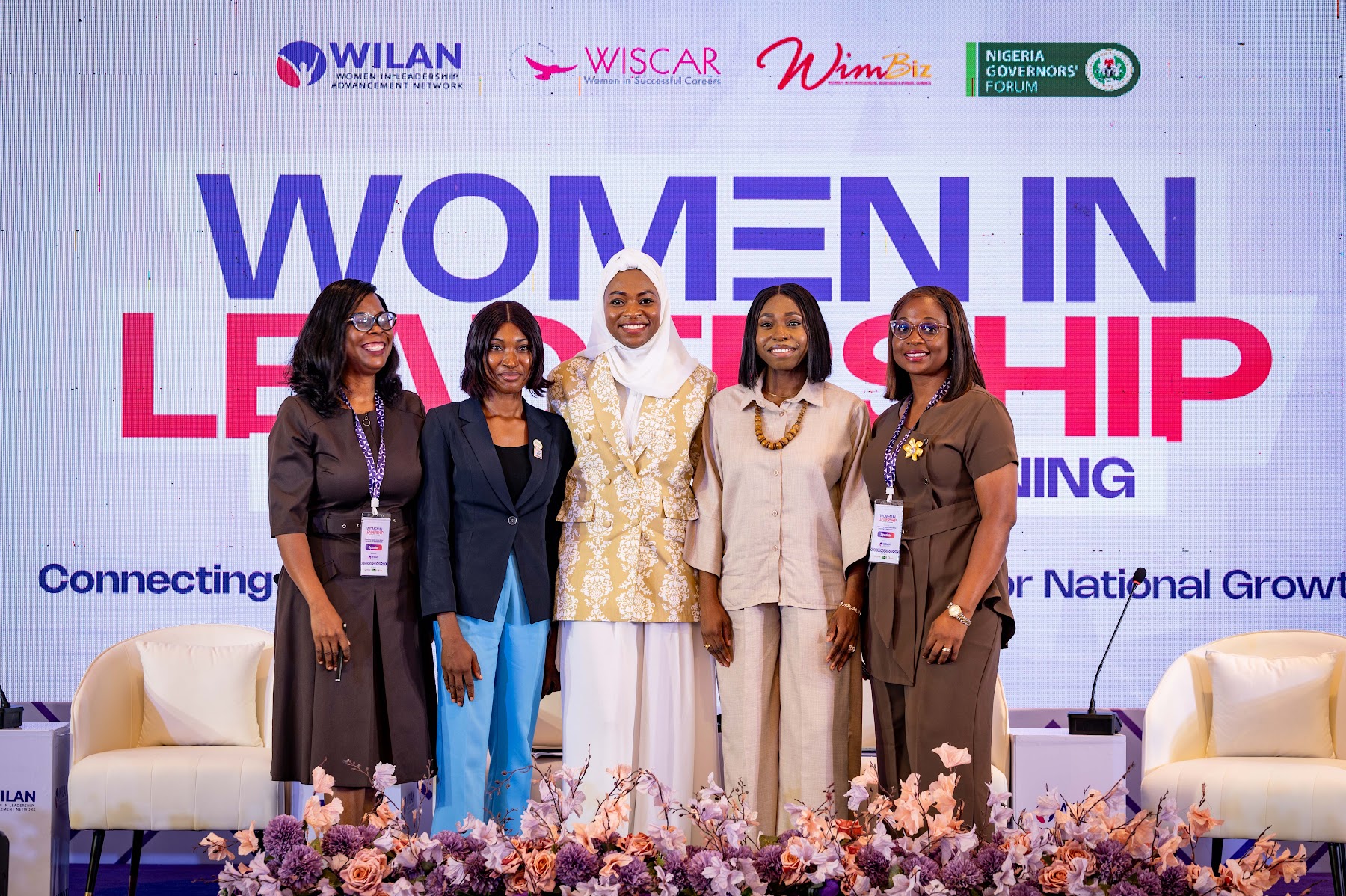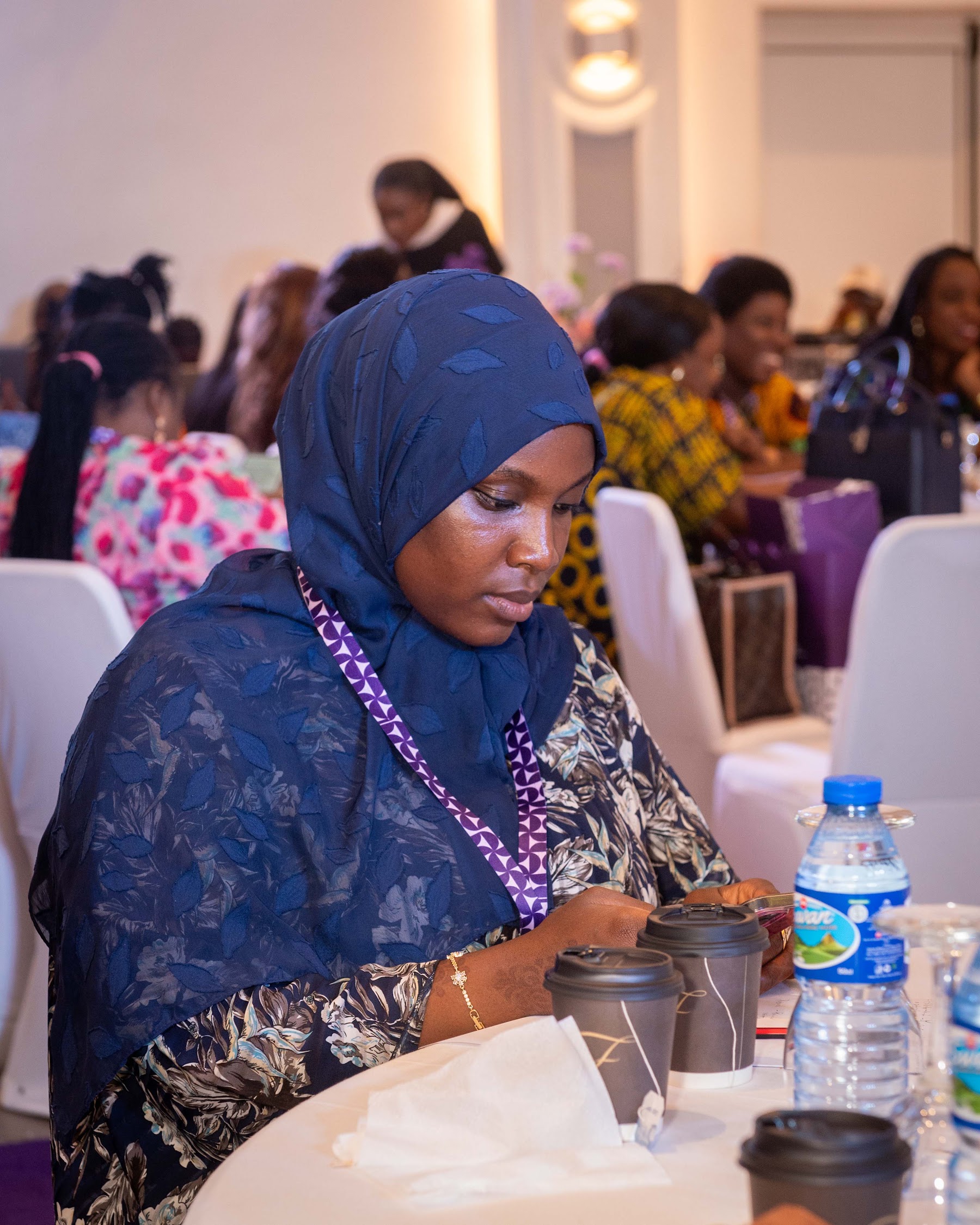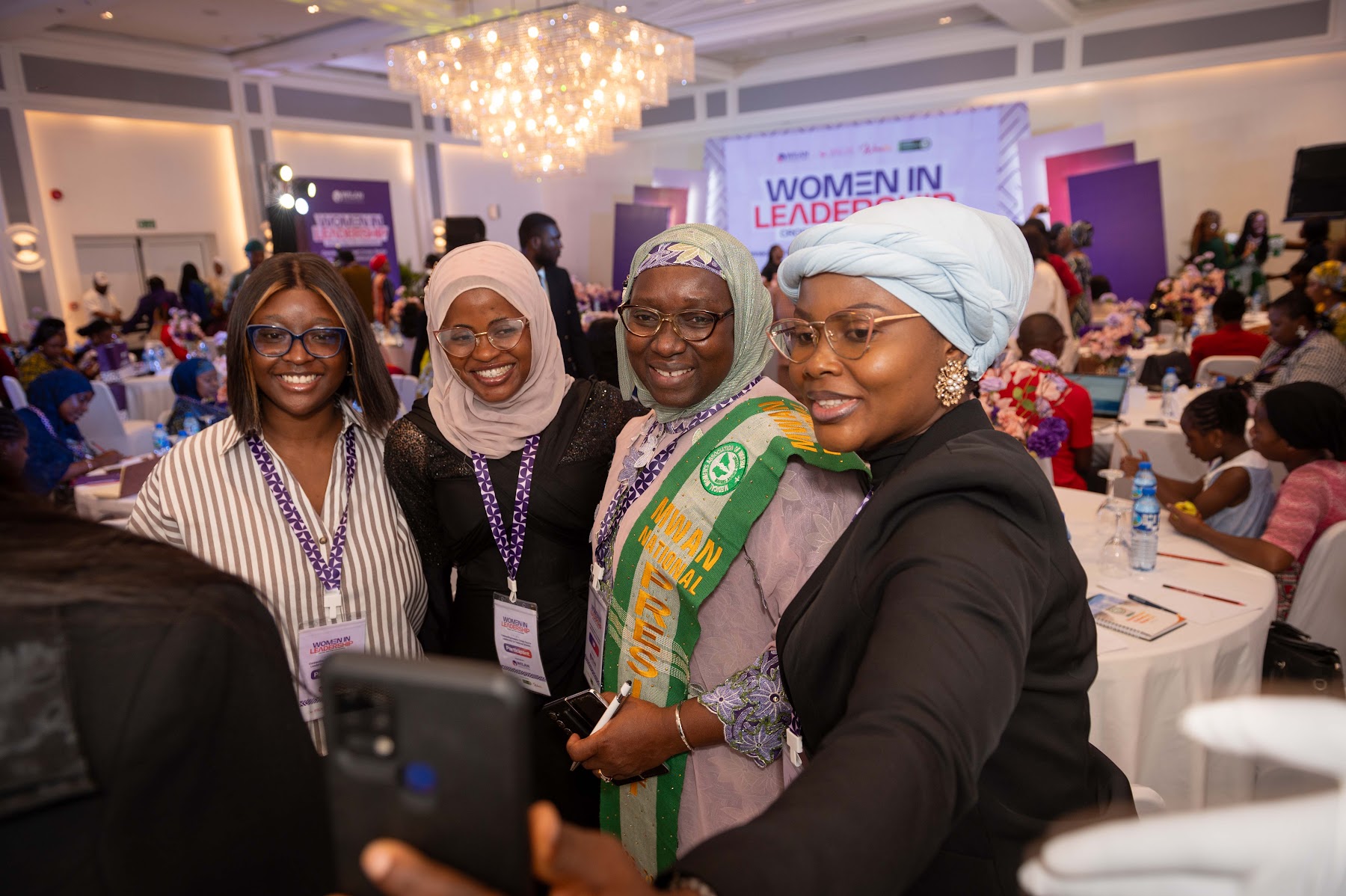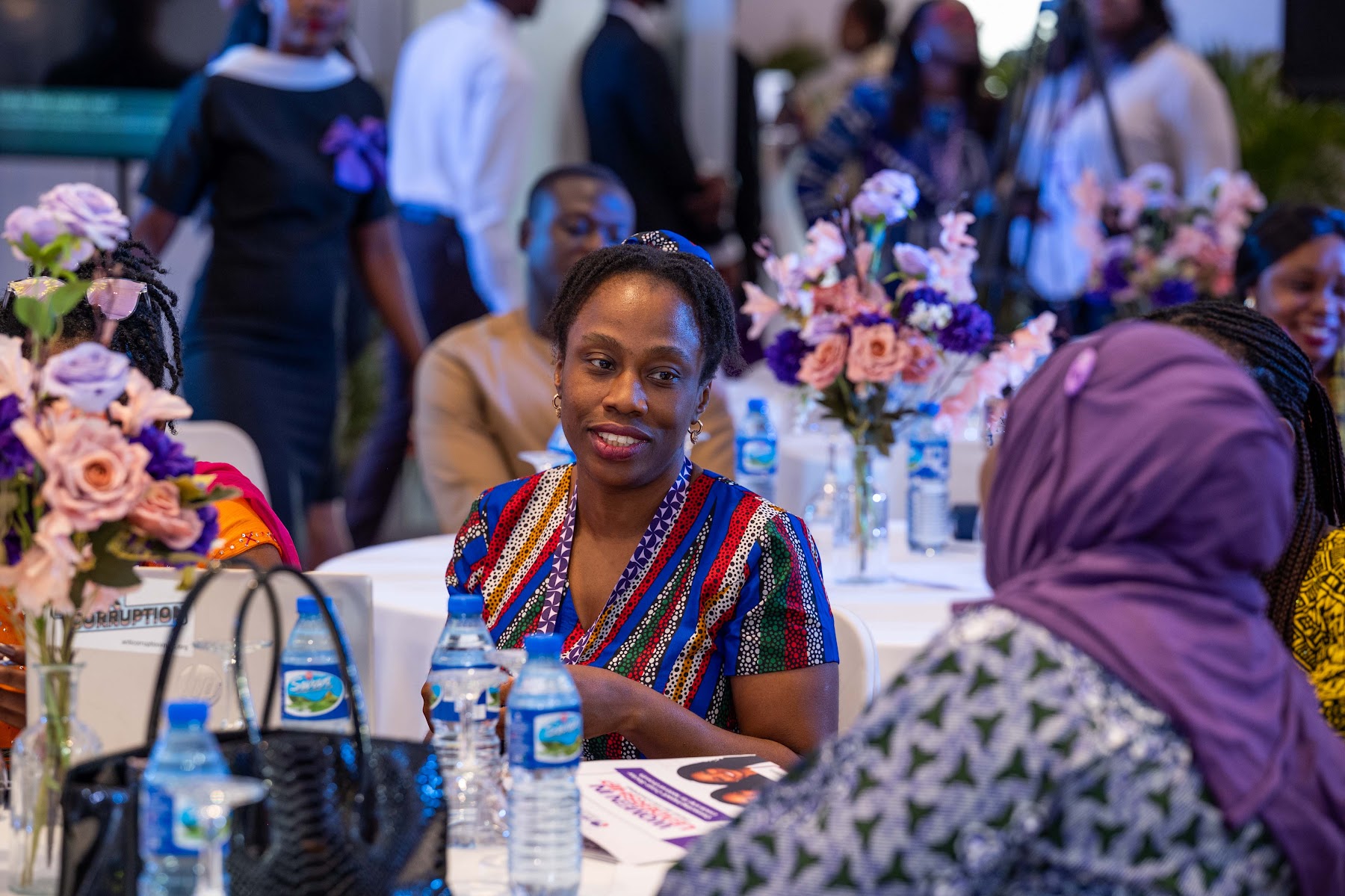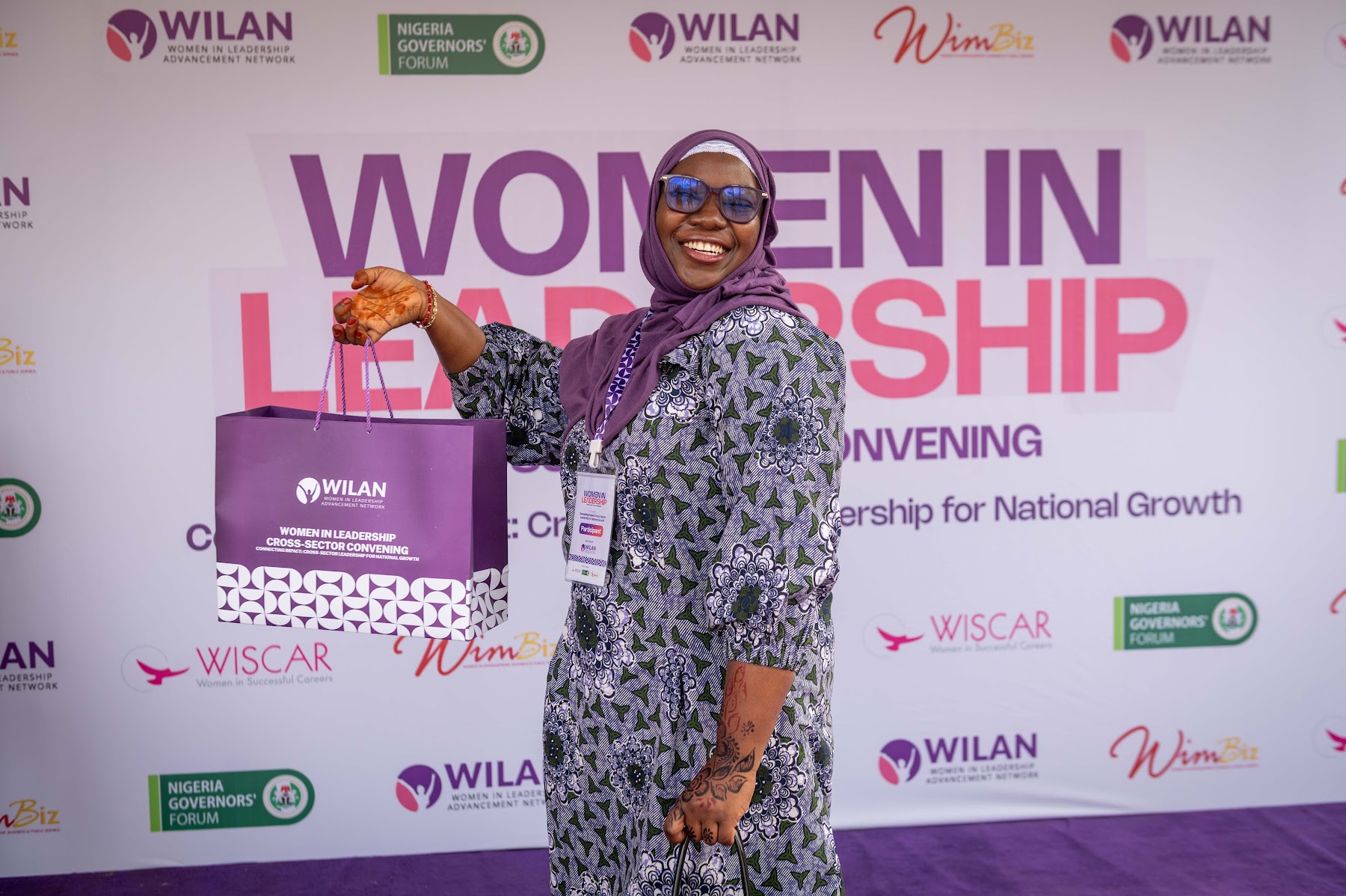
Over 100 women leaders from across Nigeria’s public, private, and development sectors gathered on June 4, 2026, for the Women in Leadership Cross-Sector Convening, a strategic initiative designed to strengthen collaboration and expand women’s influence in shaping Nigeria’s development.
Convened by the Women in Leadership Advancement Network (WILAN Global) in partnership with members of the Women in Leadership (WiL) Coalition, including Women in Management, Business and Public Service (WIMBIZ), Women in Successful Careers (WISCAR), and the Nigeria Governors’ Forum (NGF), the gathering brought together established and emerging women leaders from diverse professional backgrounds.
Themed Connecting Impact: Cross-Sector Leadership for National Growth, the convening addressed a critical challenge in advancing women’s leadership: the need to move beyond isolated individual achievements towards collective influence and institutional transformation.
Breaking silos, building stronger leadership networks
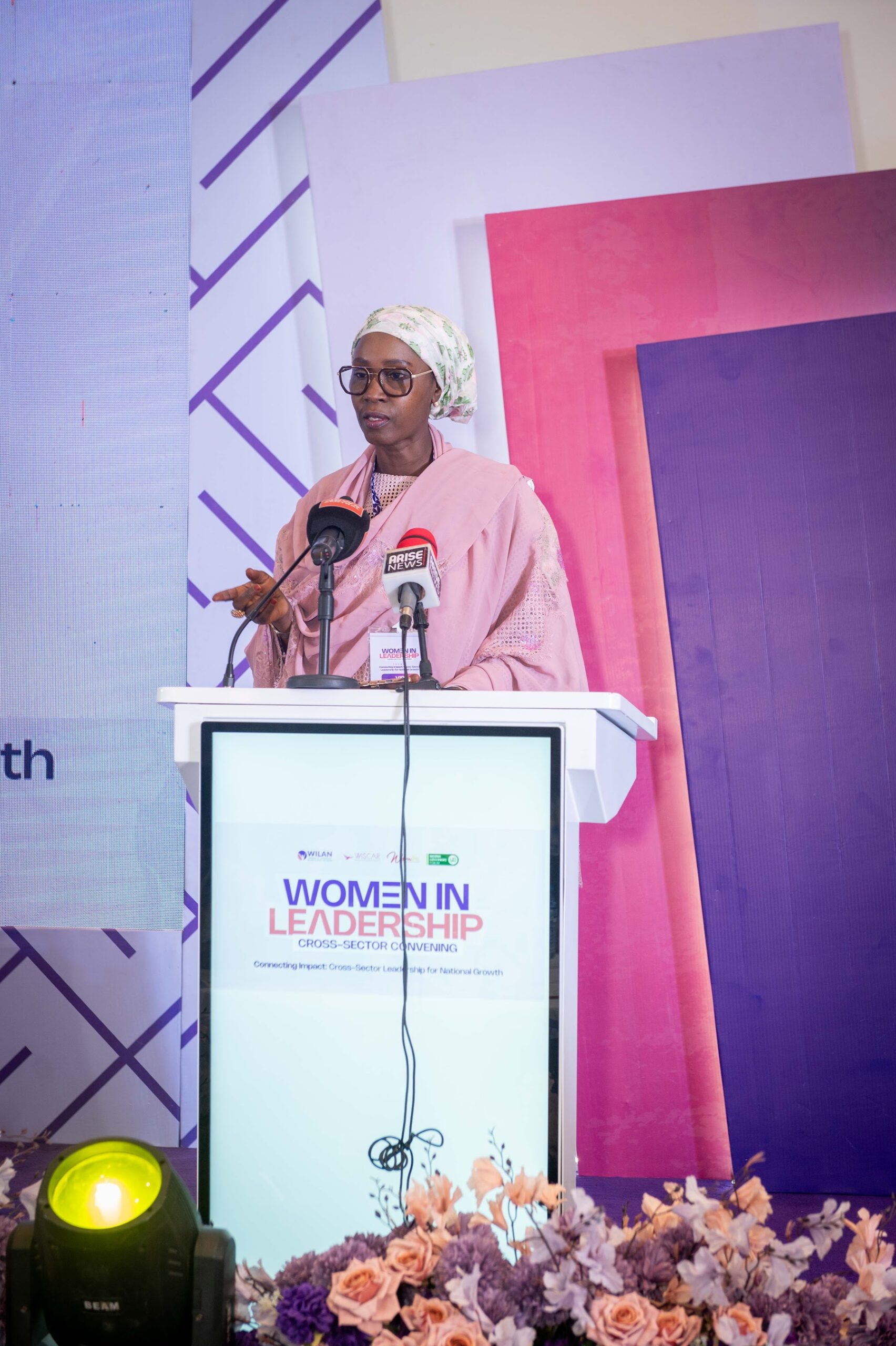
Delivering the welcome address, Abosede George-Ogan, Founder of WILAN Global, emphasised that Nigeria’s complex development challenges require leaders capable of working across sectors, institutions, and generations.
Drawing attention to the disconnect between accomplished women working in different fields, she challenged participants to build relationships that extend beyond professional networking towards practical collaboration, shared learning, and collective action.
The conversations reinforced the importance of creating spaces where women leaders can exchange perspectives, address common barriers, and identify opportunities to strengthen institutions and influence decision-making.
Moving from presence to power
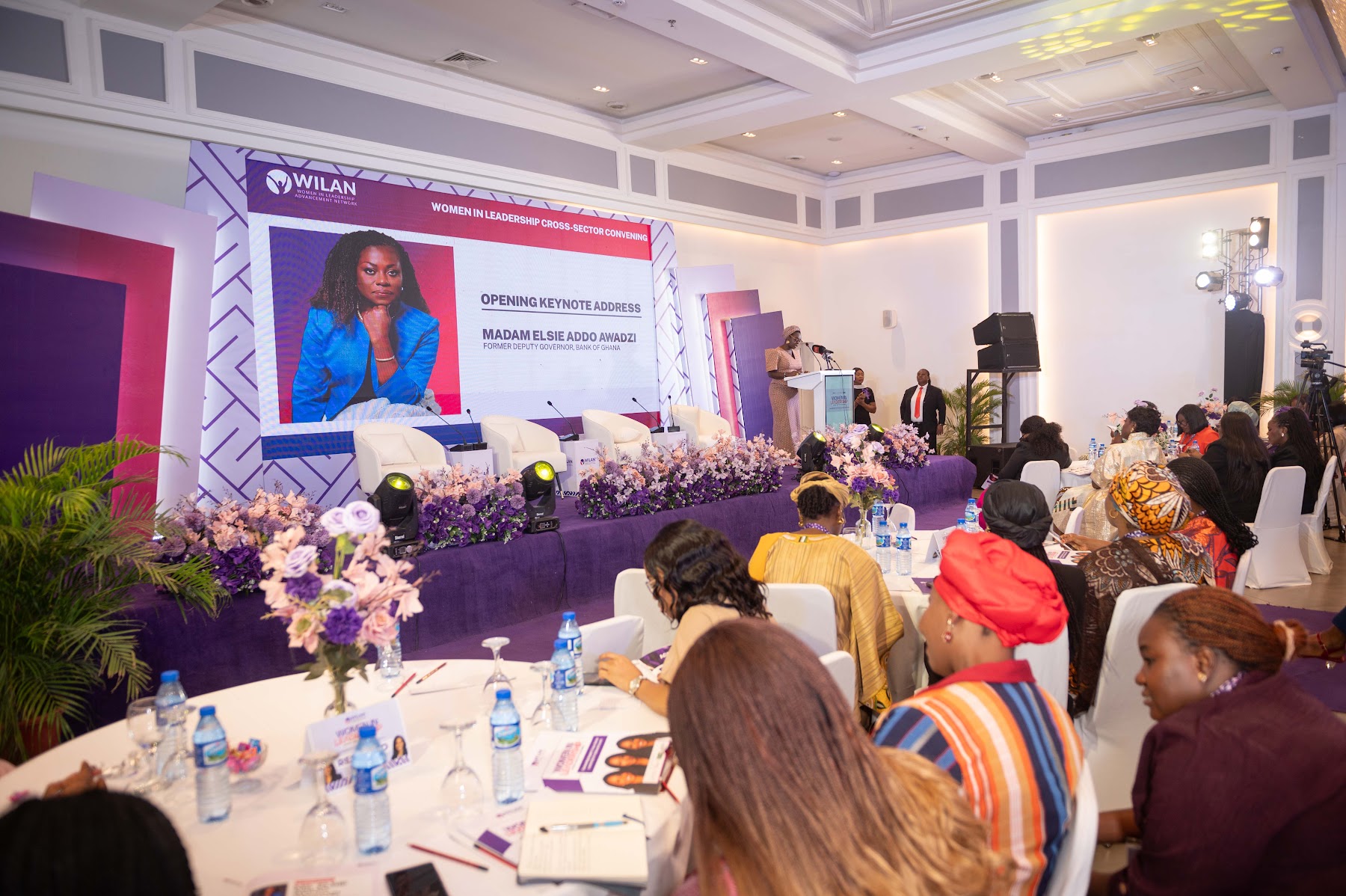
In her keynote address, From Presence to Power: Why Women’s Cross-Sector Leadership Will Shape Africa’s Future, Madam Elsie Addo Awadzi examined the growing importance of collaborative leadership in addressing Africa’s development challenges.
Drawing on her experience in governance, finance, and public policy, she emphasised that effective leadership increasingly requires the ability to connect institutions, align priorities, and mobilise diverse stakeholders towards shared goals.
The future belongs to integrators and collaborators.
Madam Elsie Addo Awadzi, keynote address
The keynote established a central message for the day’s conversations: advancing women’s leadership requires more than increasing women’s presence in positions of authority. It demands the ability to influence policies, reform institutions, and deliver measurable outcomes.
Strengthening institutions through women’s leadership
The convening featured discussions exploring women’s leadership across different sectors and career stages. A senior women leaders’ panel, From Seats at the Table to Shaping the Table, examined the realities of leading institutional change, building credibility, and sustaining influence in complex professional environments.
The public sector roundtable, Strengthening Subnational Systems for Change, explored how leadership across agriculture, justice, and finance can contribute to more coordinated governance and inclusive development outcomes.
An emerging women leaders’ panel, The Next Wave: Emerging Women Leaders, Driving Influence and Impact, brought early and mid-career professionals into conversations about navigating leadership pathways, building influence, and positioning themselves for greater impact.
Together, the sessions highlighted the value of intergenerational exchange and cross-sector collaboration in developing stronger leadership pipelines.
Advancing a shared agenda for women’s leadership
The Women in Leadership Cross-Sector Convening reflects the broader vision of the WiL Coalition: bringing together institutions and stakeholders to accelerate gender equity and strengthen women’s participation in leadership and decision-making.
Established in 2024, the Coalition unites WILAN, WIMBIZ, WISCAR, and the Nigeria Governors’ Forum in advancing policy advocacy, stakeholder engagement, and systemic reforms that support women’s leadership across Nigeria.
By creating opportunities for established and emerging leaders to connect across institutional and sectoral boundaries, the convening reinforced an important principle: advancing women’s leadership is a collective responsibility requiring coordinated action.
For the WiL Coalition, building these connections is part of a wider commitment to strengthening the systems, policies, and institutions that enable women to lead effectively and contribute meaningfully to national development.