
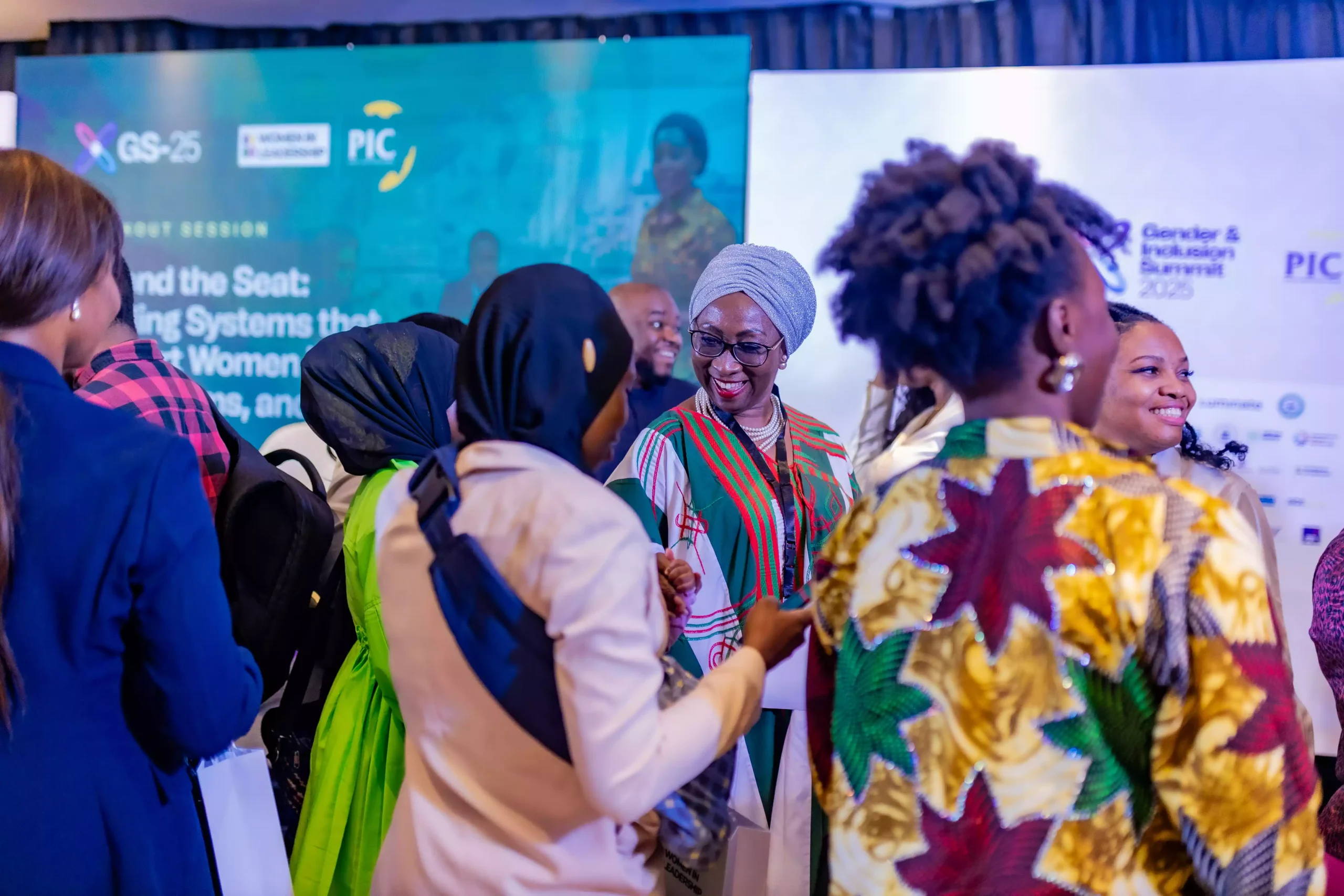
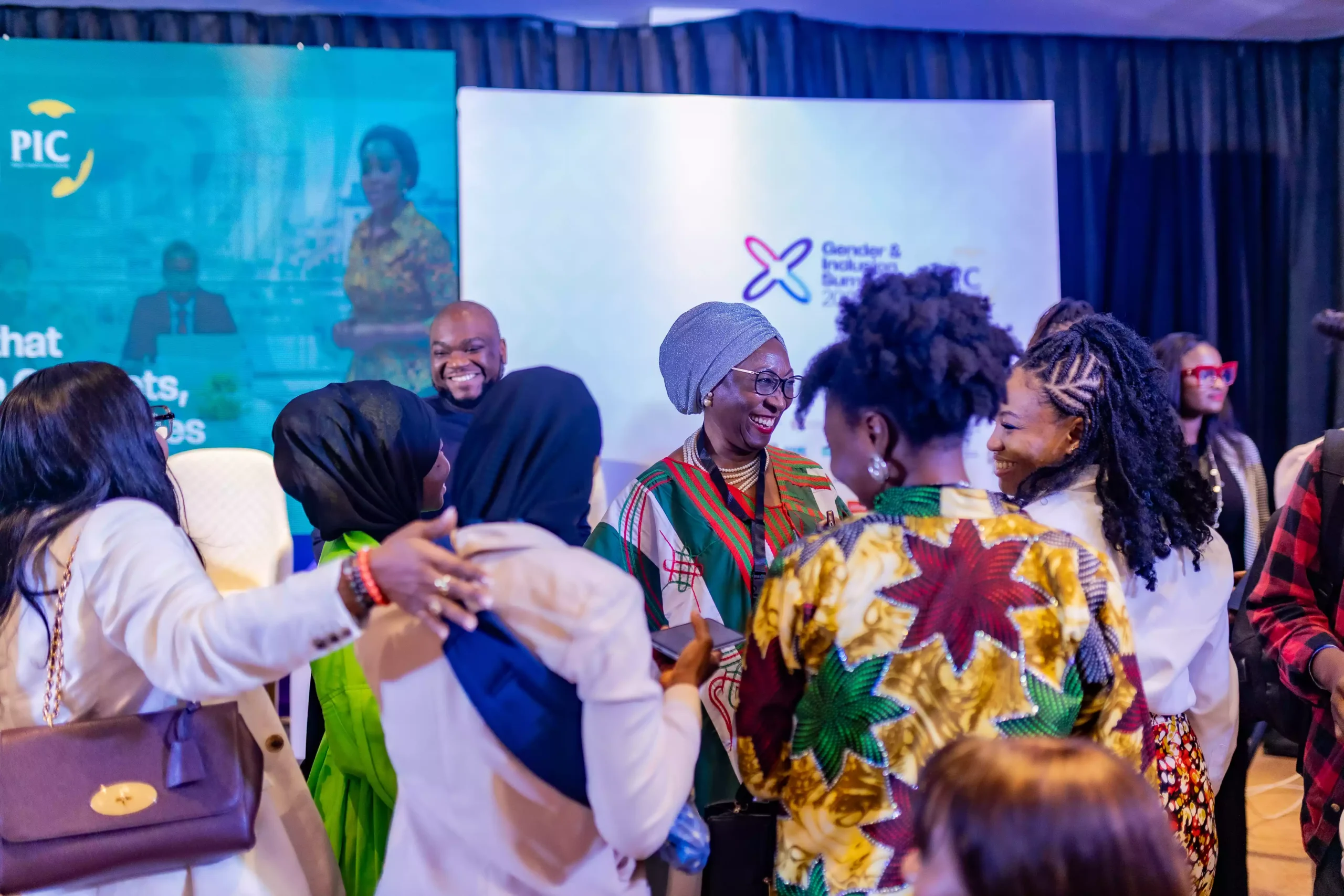
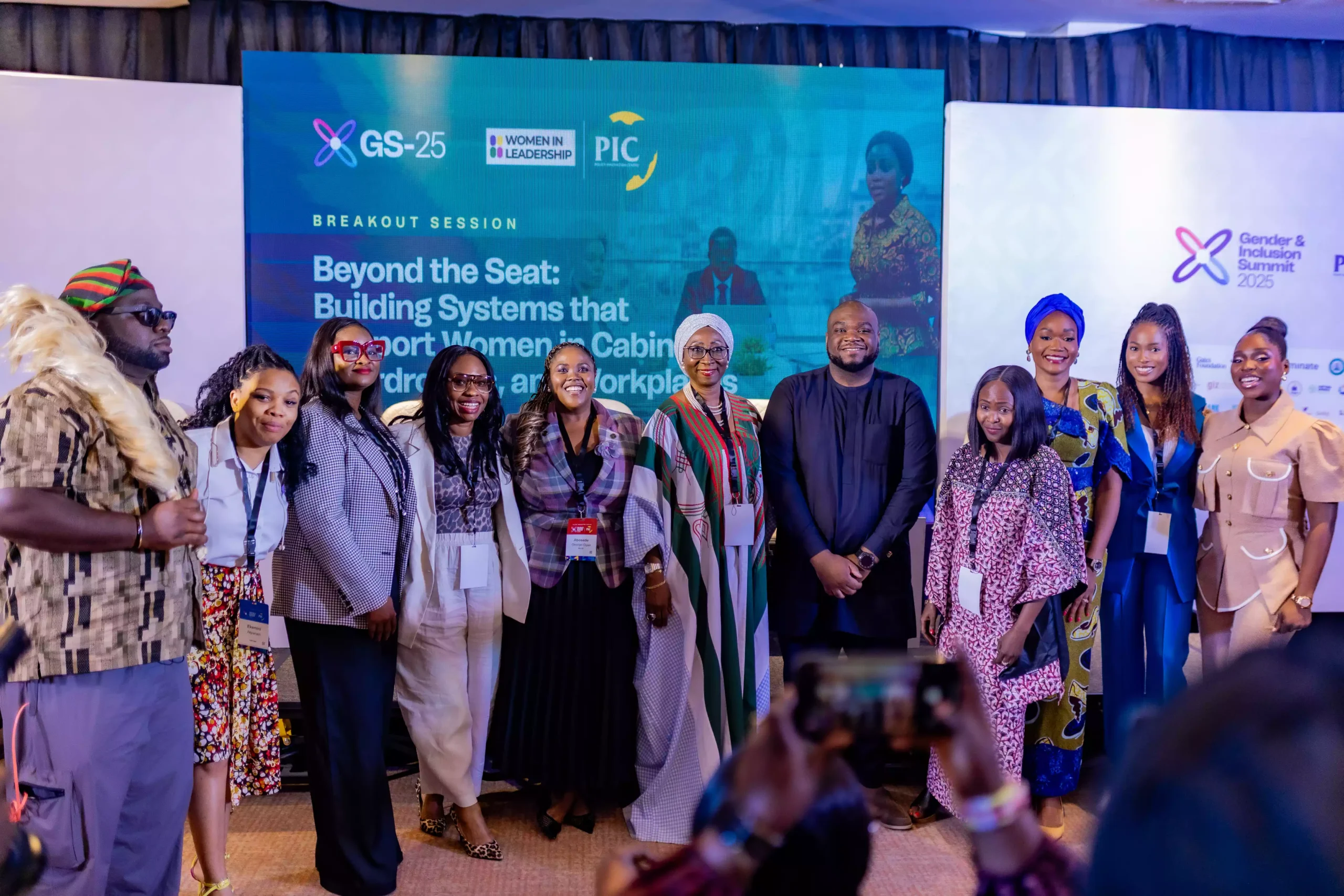
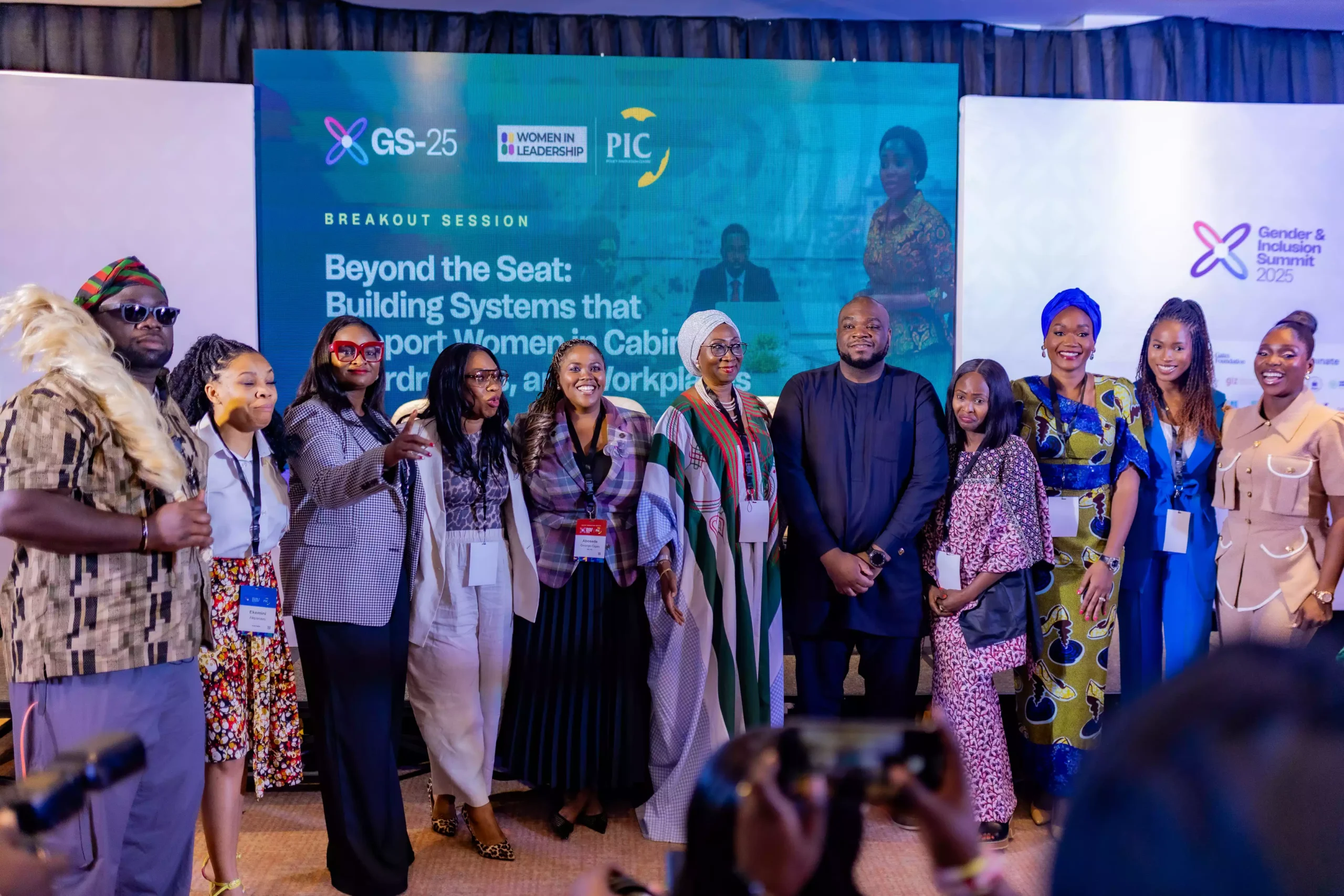
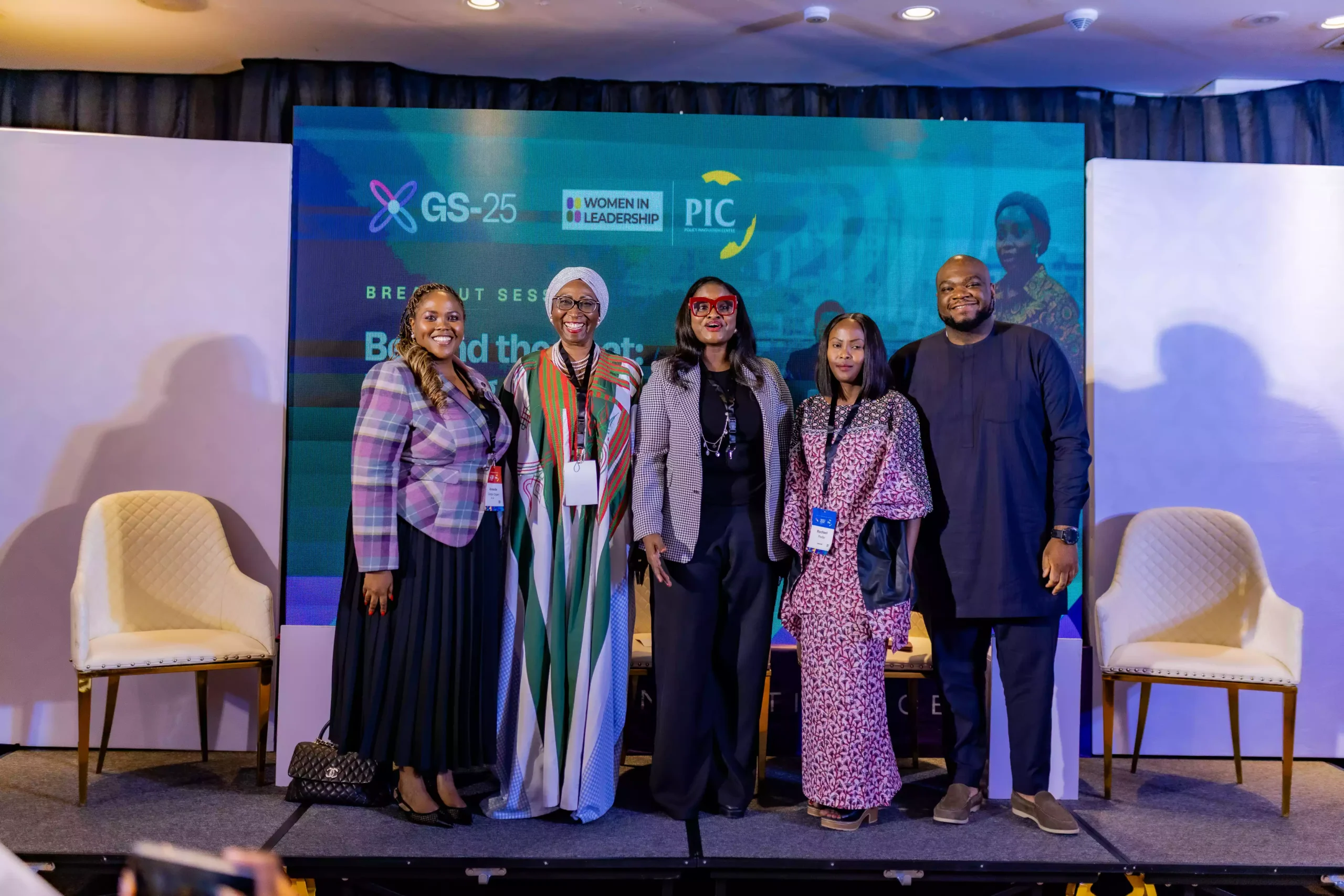
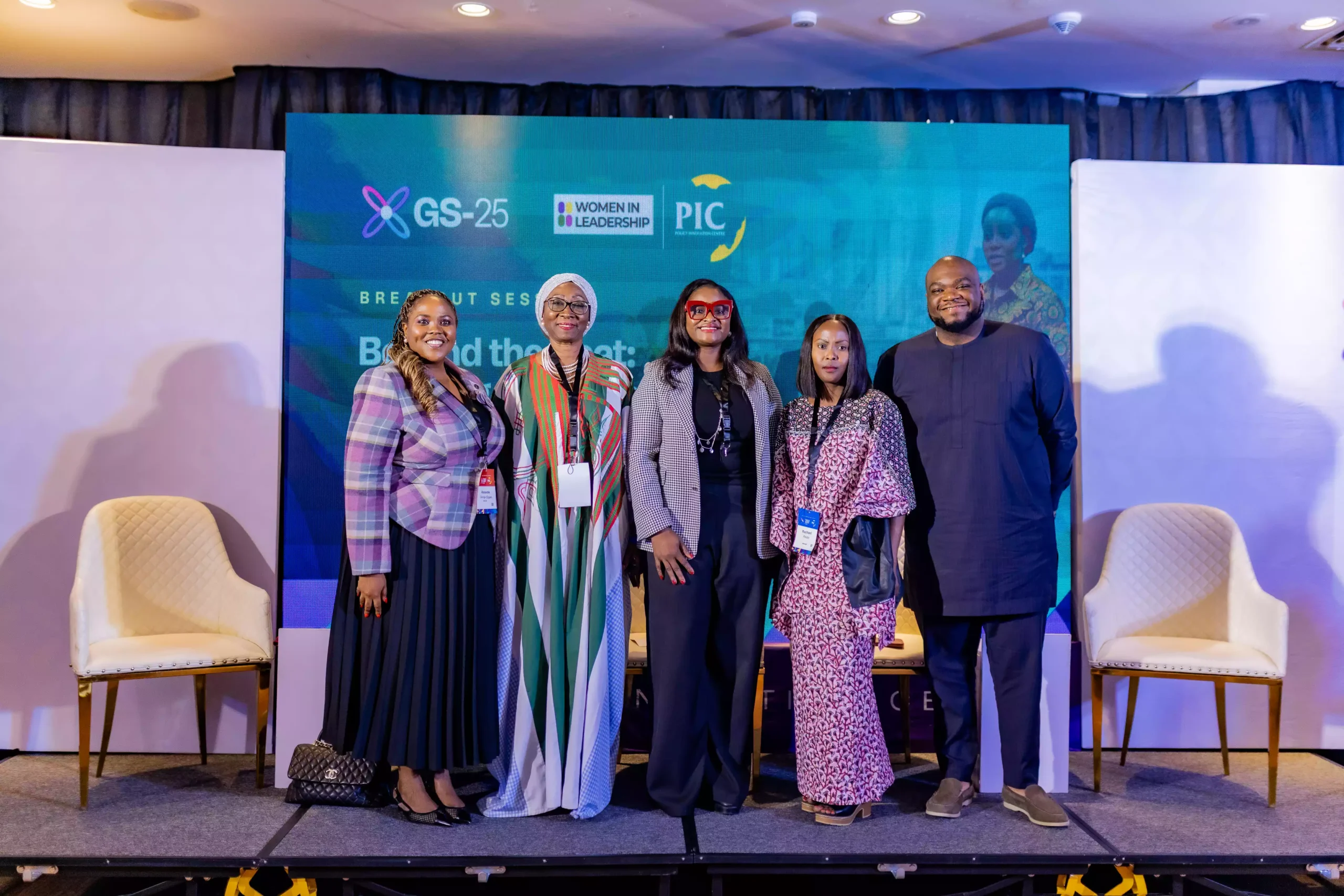




The Nigerian Women in Leadership (WIL) Coalition was officially launched at the 2025 Gender & Inclusion Summit, hosted by the Policy and Inclusion Centre (PIC), marking the
formal introduction of a coordinated advocacy platform committed to accelerating women’s leadership across Nigeria.
The WIL Coalition is an alliance of leading institutions — Women in Leadership Advancement Network (WILAN), WIMBIZ, WISCAR, and the Nigeria Governors’ Forum
working collectively to shape policies, amplify women’s voices, and ensure equitable representation in boardrooms, cabinets, and decision-making spaces across sectors. The launch signals a clear shift from fragmented advocacy to structured, outcome-driven collaboration.
A Coalition Built on Clear Policy Priorities
The WIL Coalition enters the national landscape with three core reform priorities:
- Modern Labour Law Reforms
Advocating for 16 weeks of paid maternity leave and 14 days of paid paternity leave for civil servants, listed companies, and large businesses, recognising that leadership equity must be supported by family-responsive workplace systems. - D
Securing 35% female representation on boards and executive management of listed companies, because inclusive leadership improves governance, performance, and long-term sustainability. - A Governance Class that Represents
Pushing for 35% women in federal and state cabinet positions, affirming that governance must reflect the full diversity of the population it serves.
These priorities position the Coalition not merely as a convening platform, but as a reform-focused alliance committed to measurable structural change.
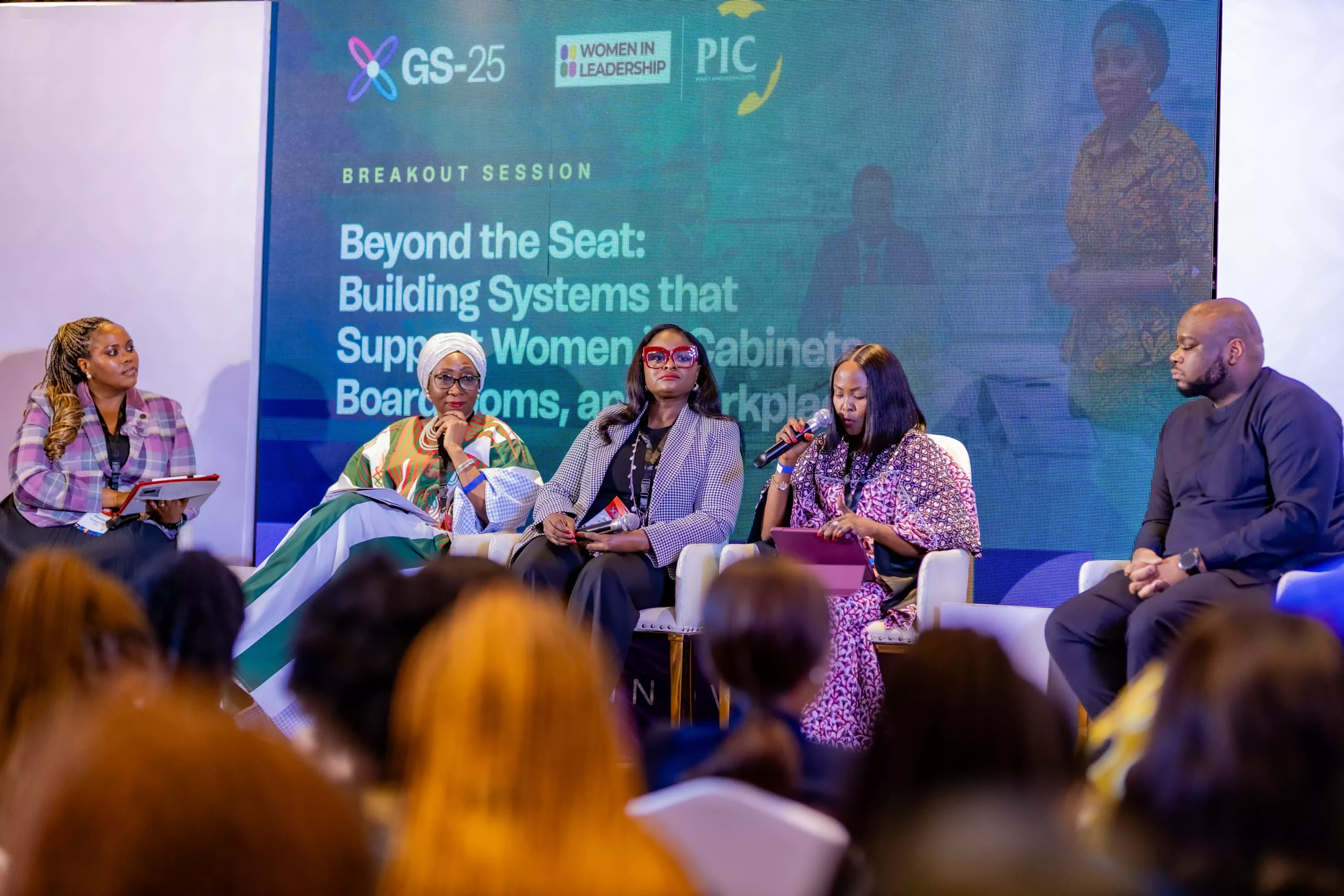
“Beyond the Seat”: From Access to Systems
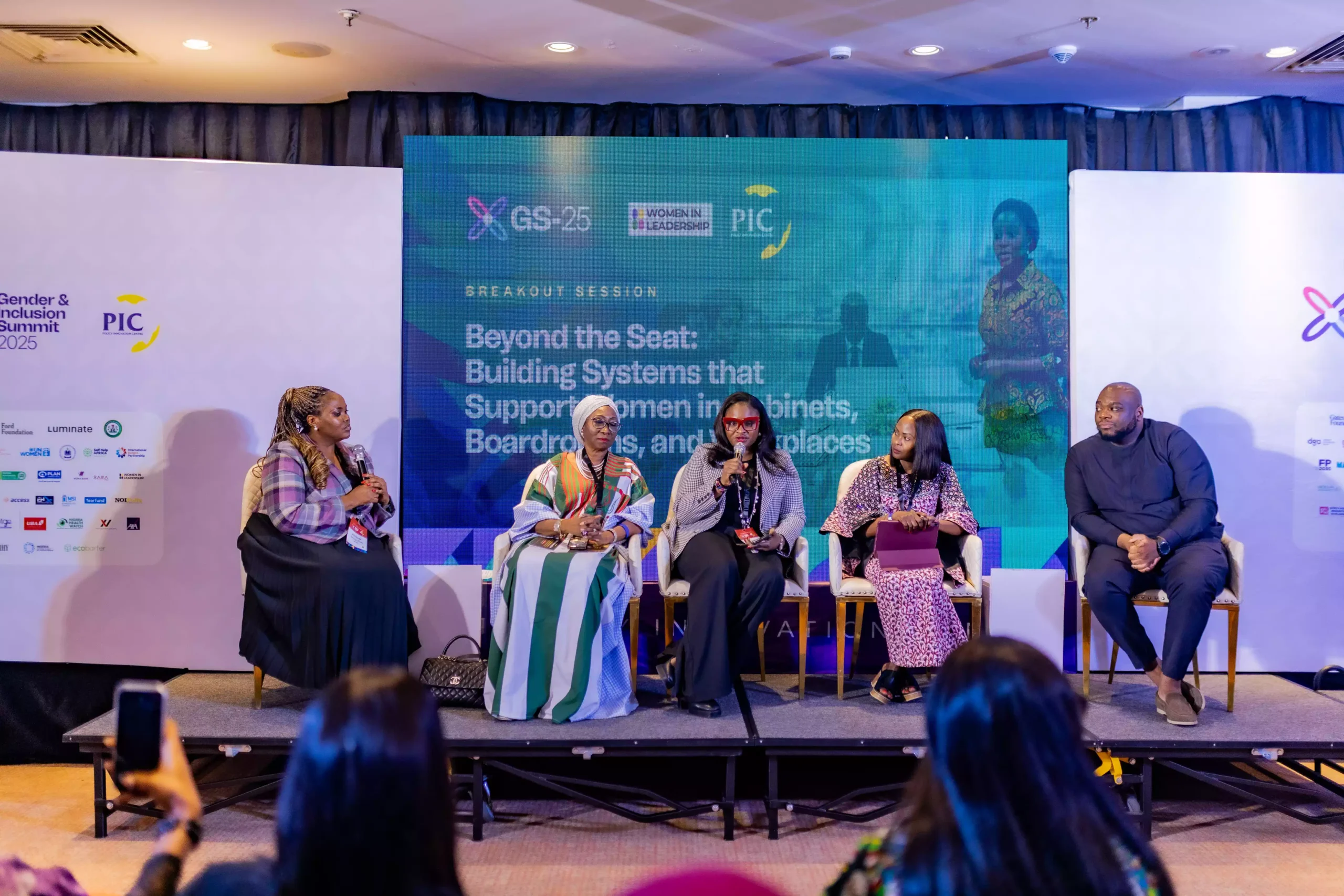
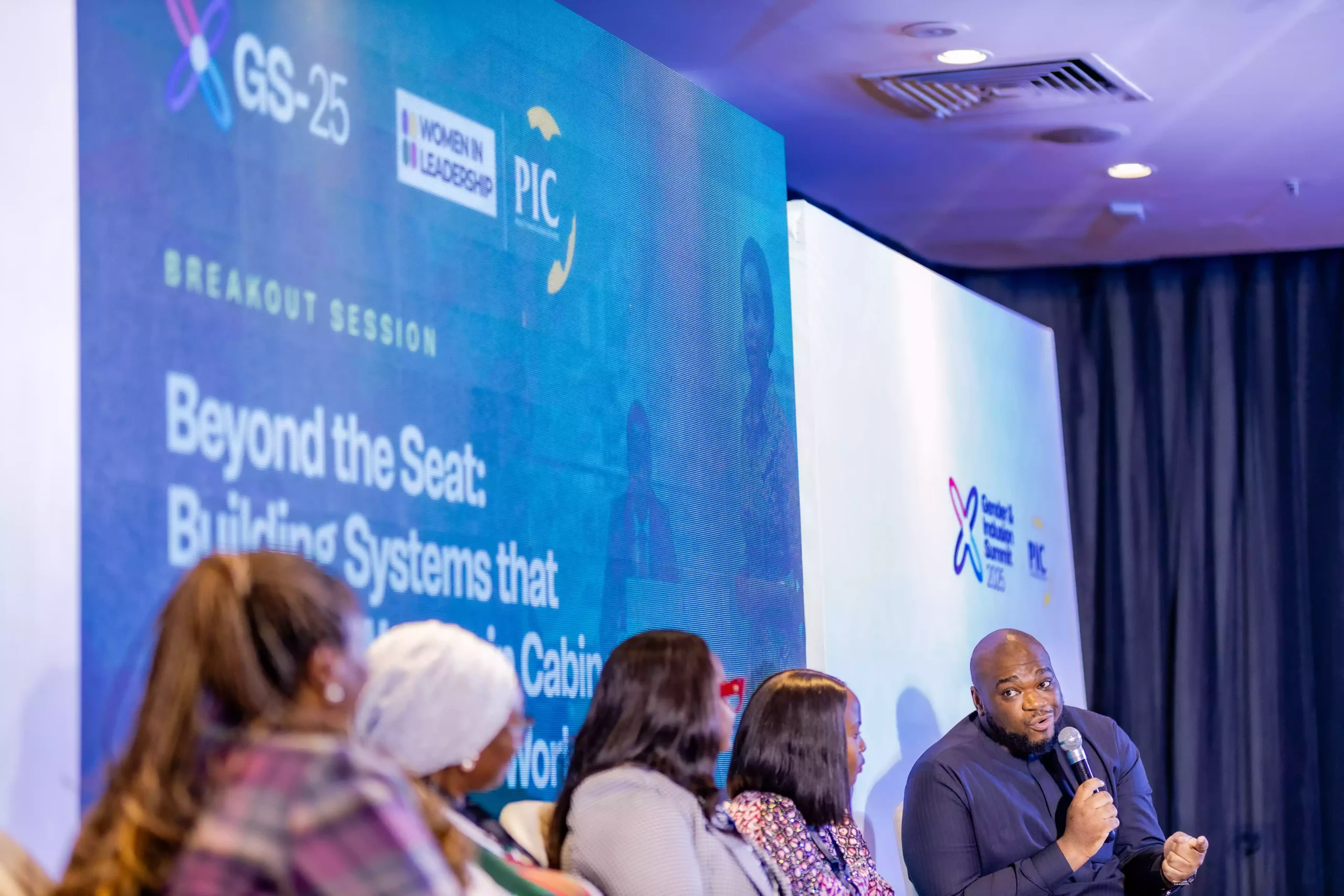
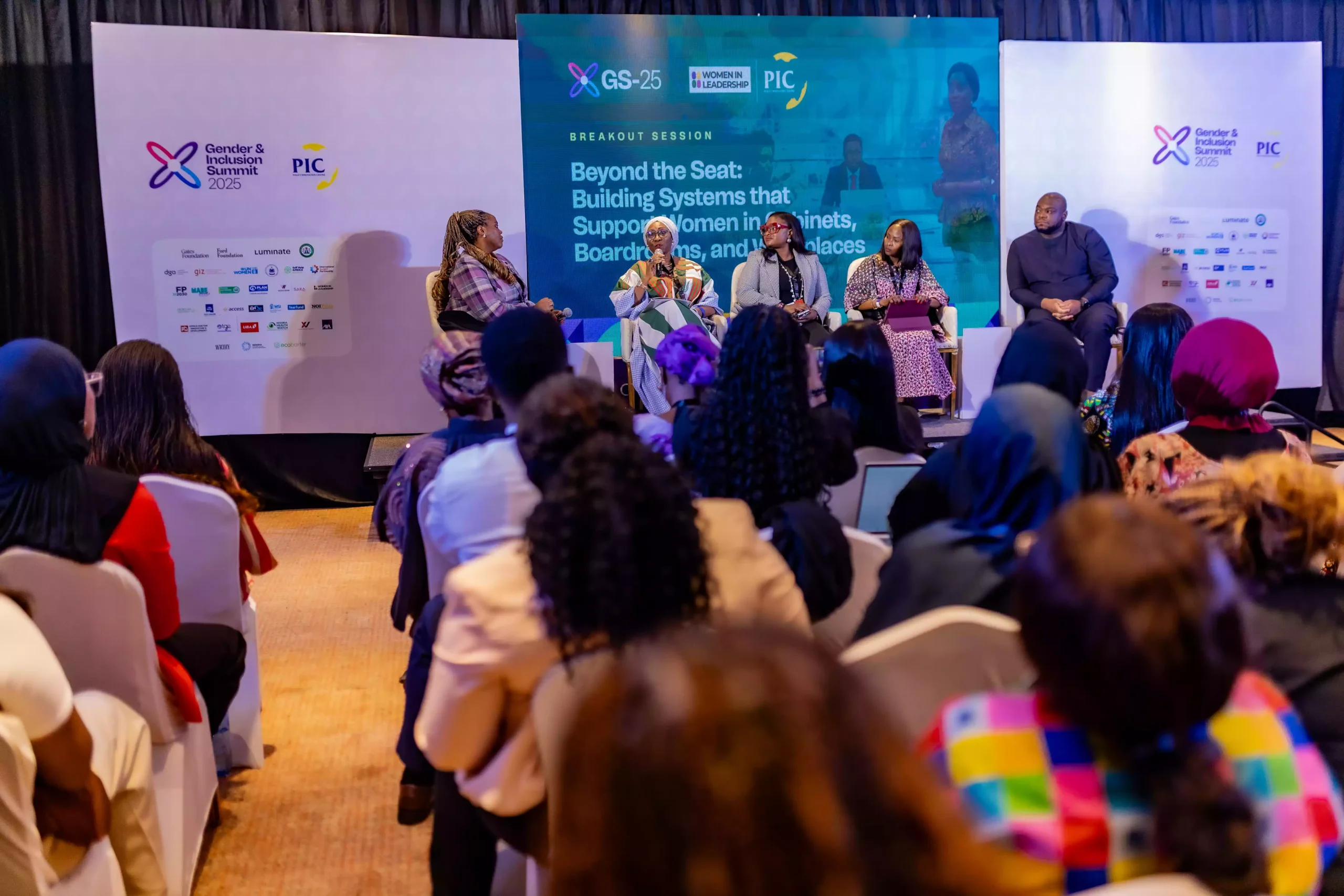
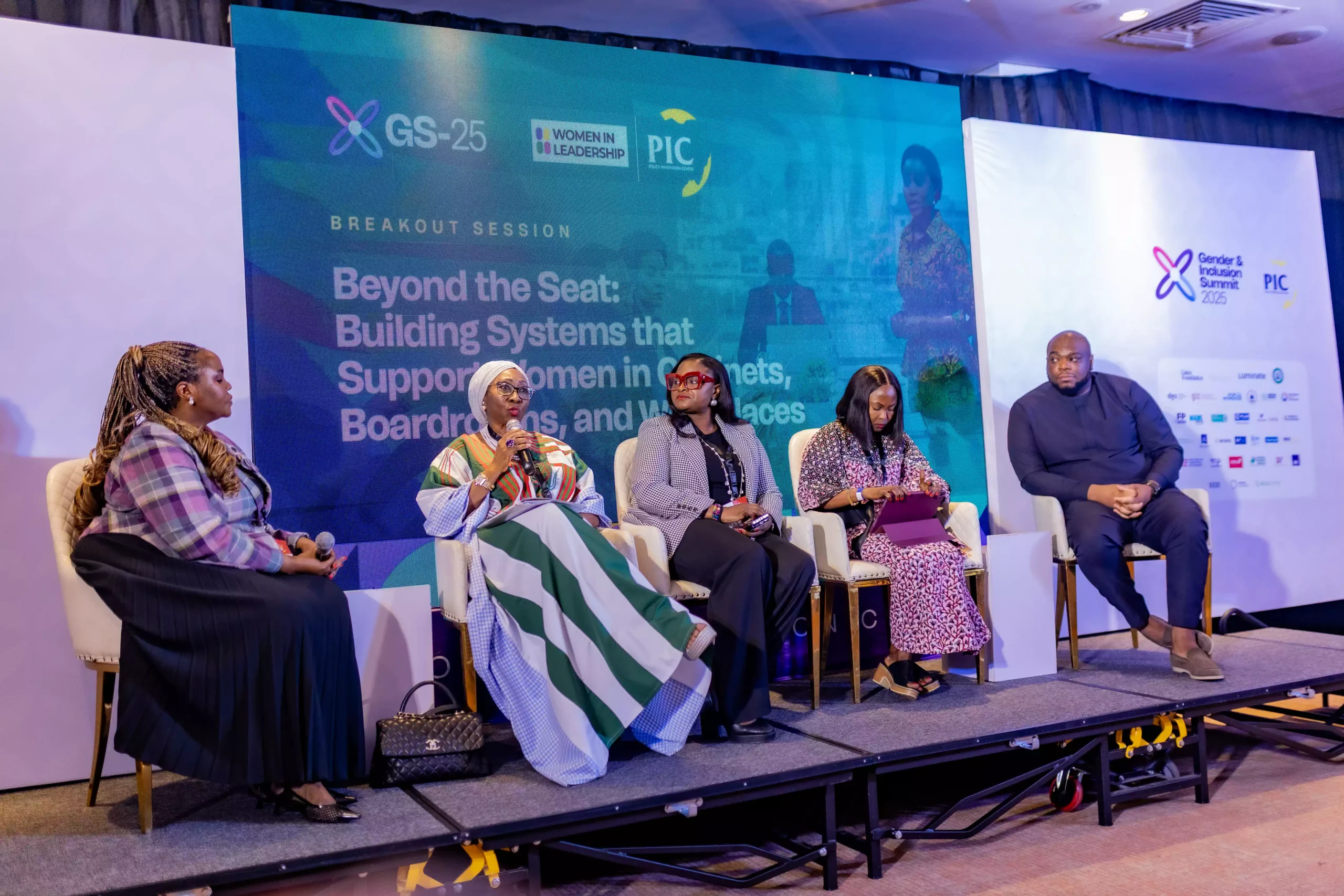
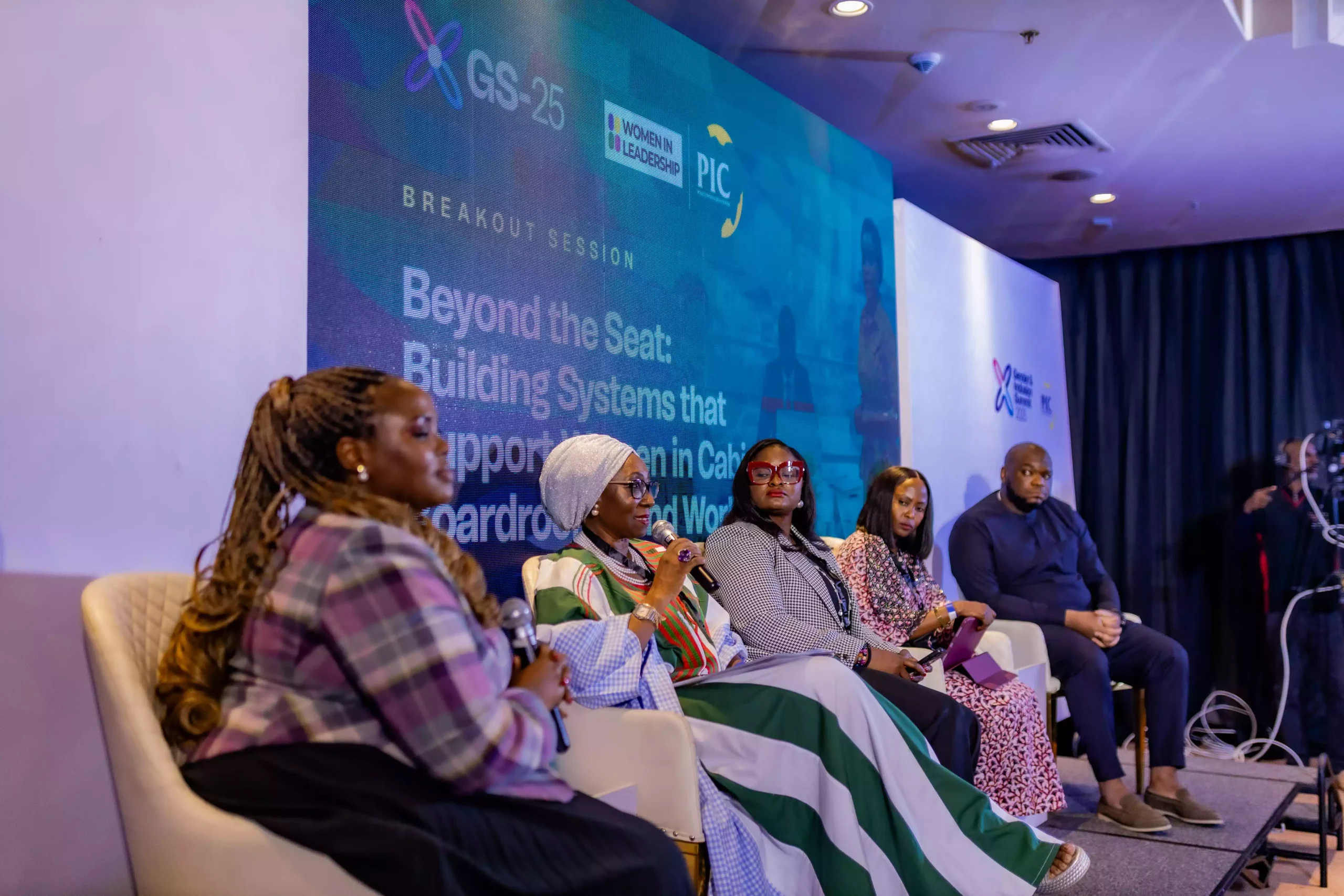
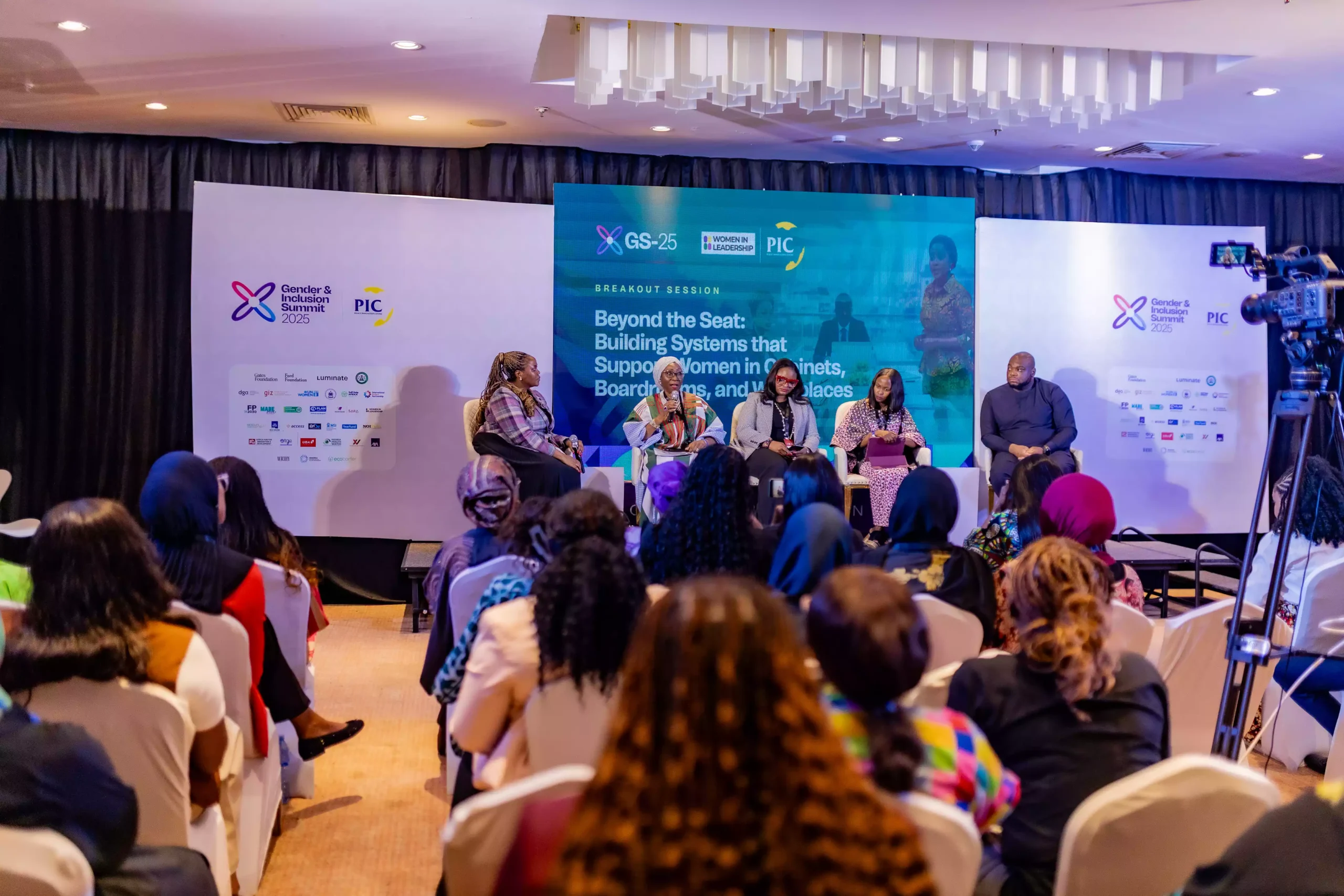
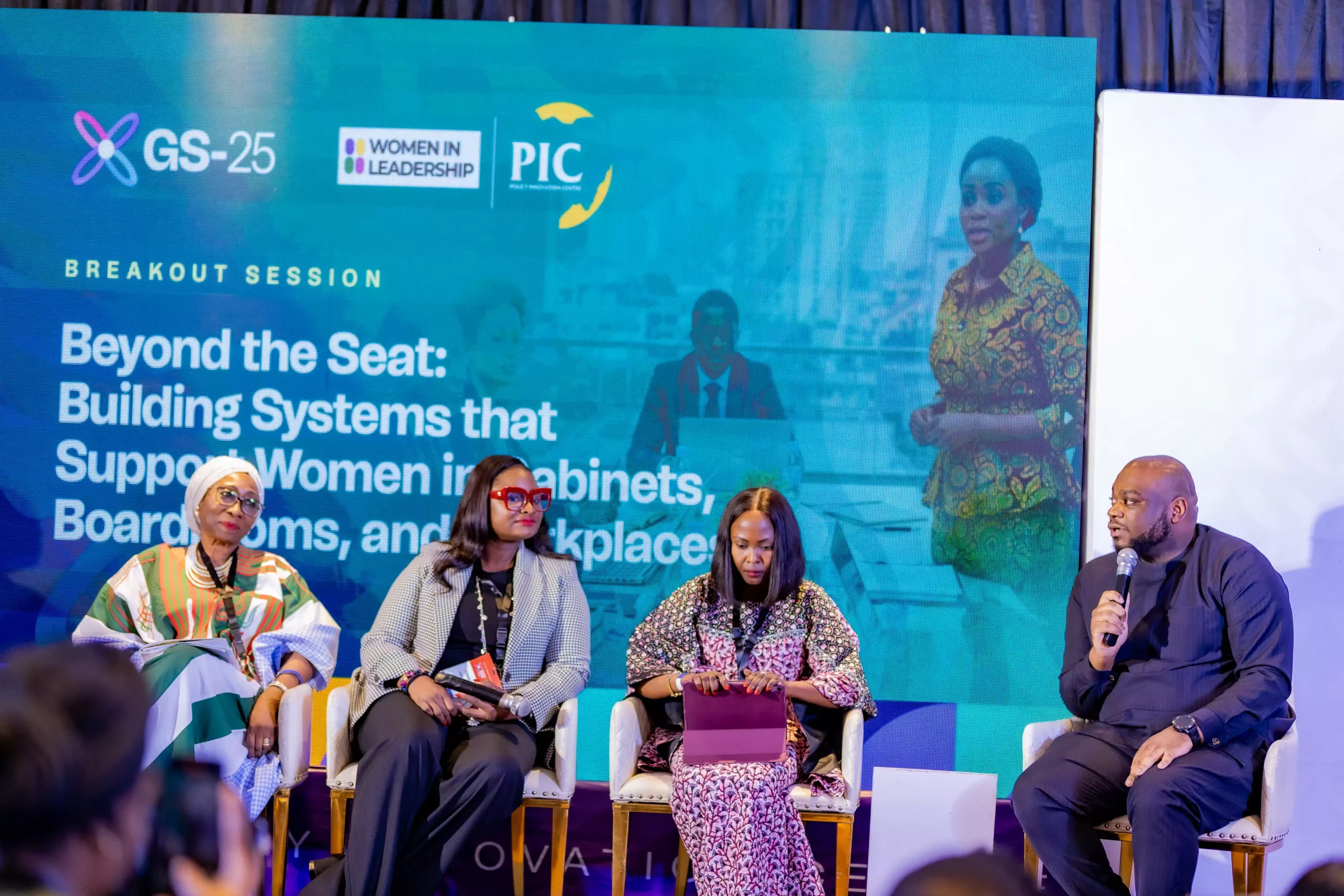
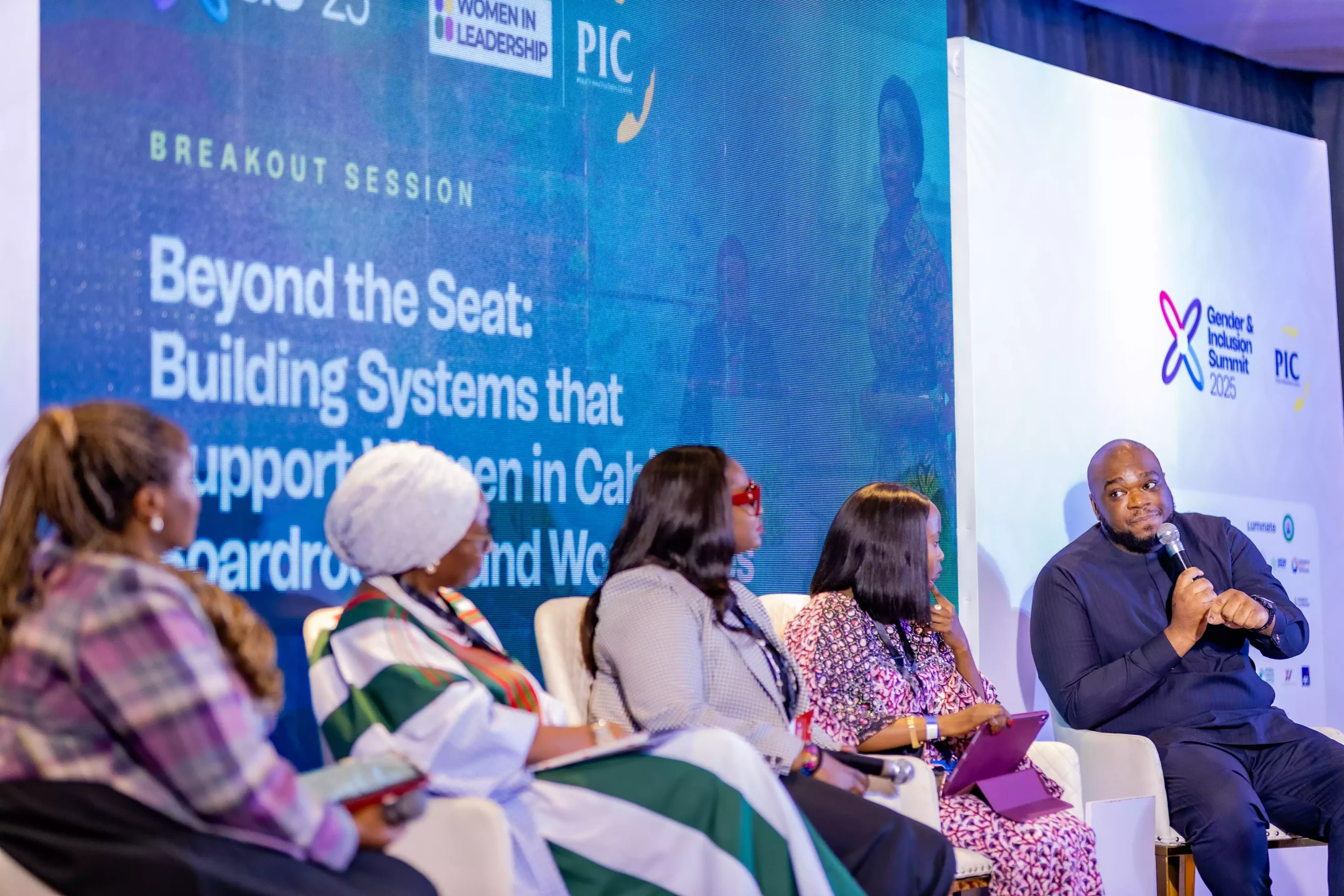
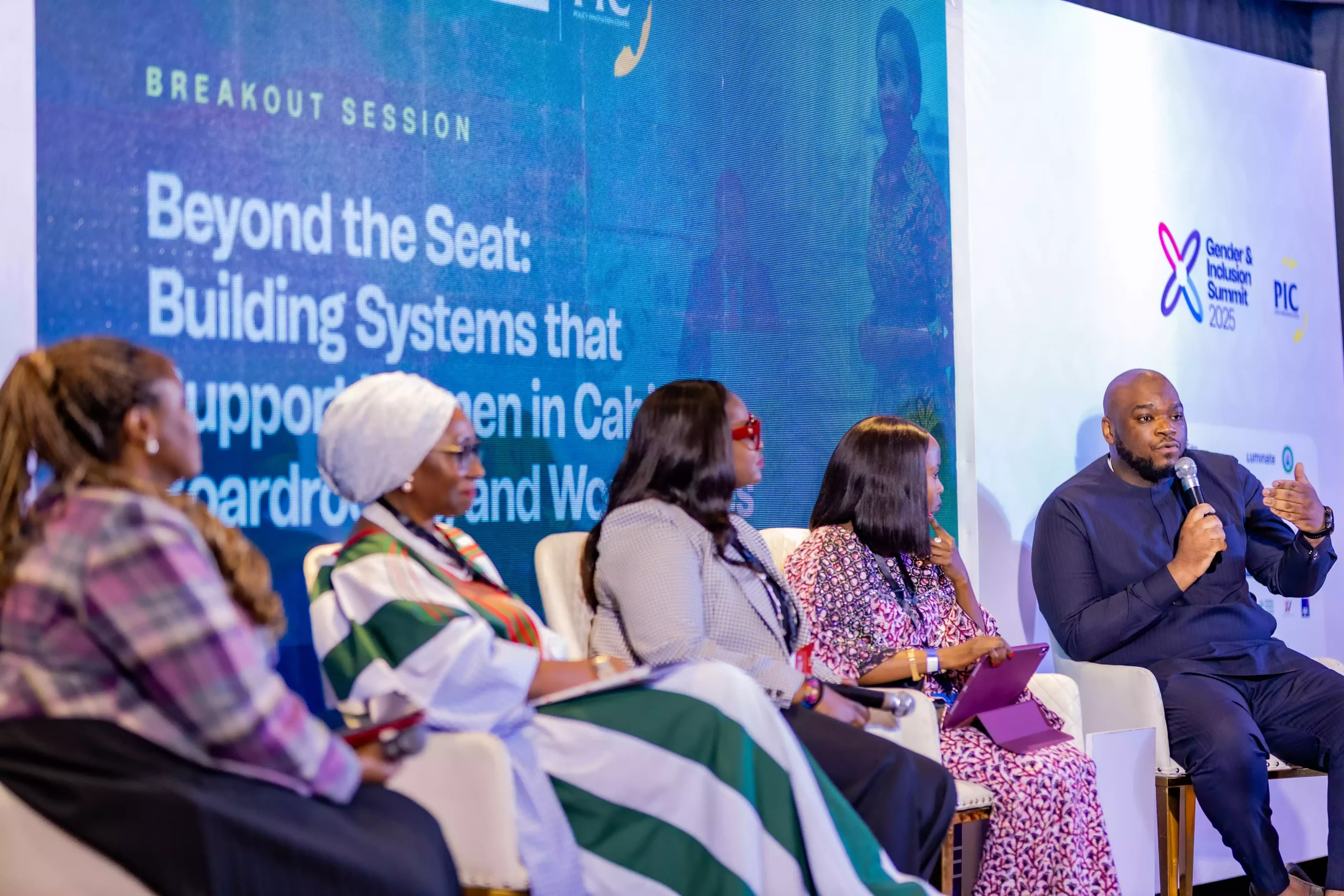
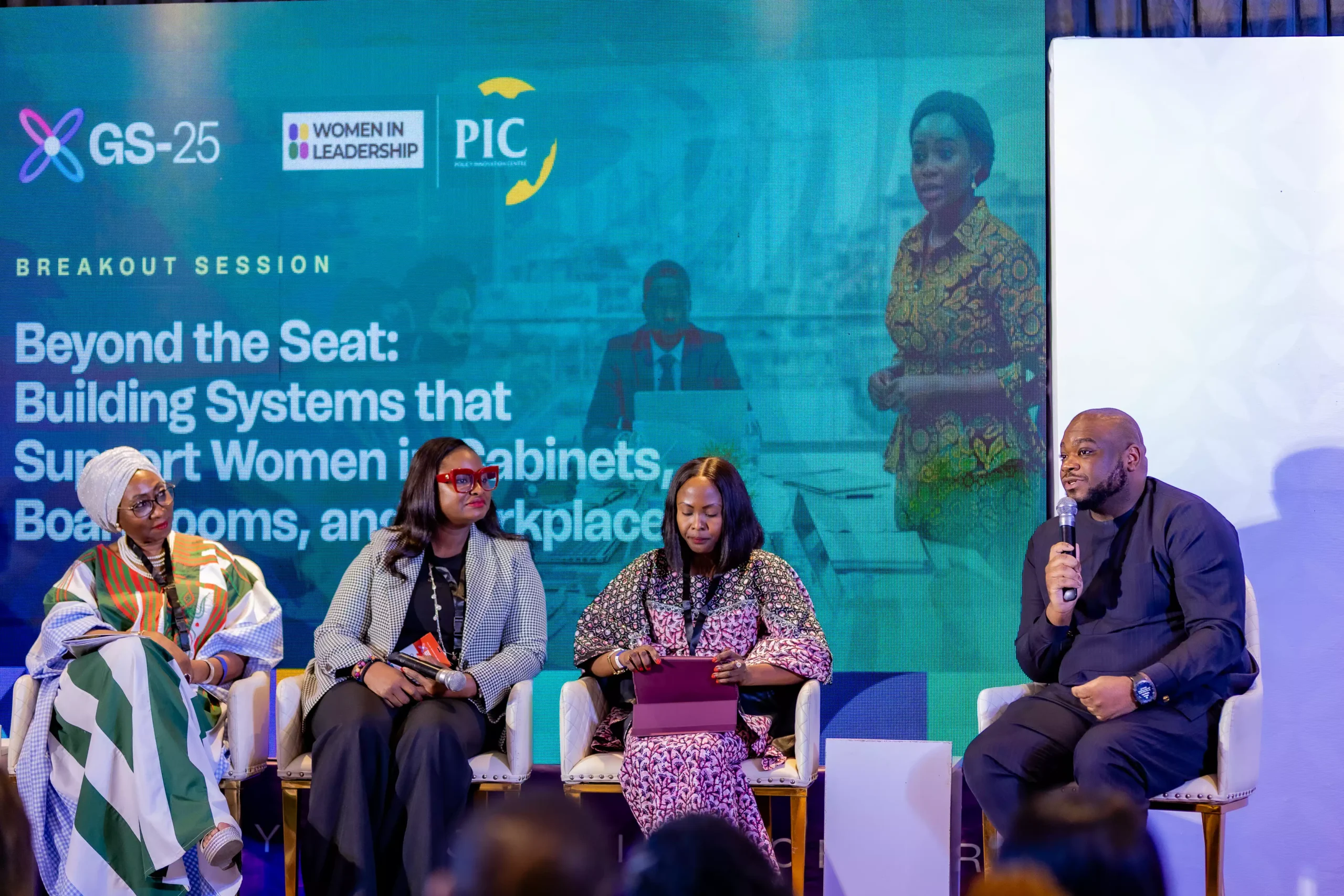
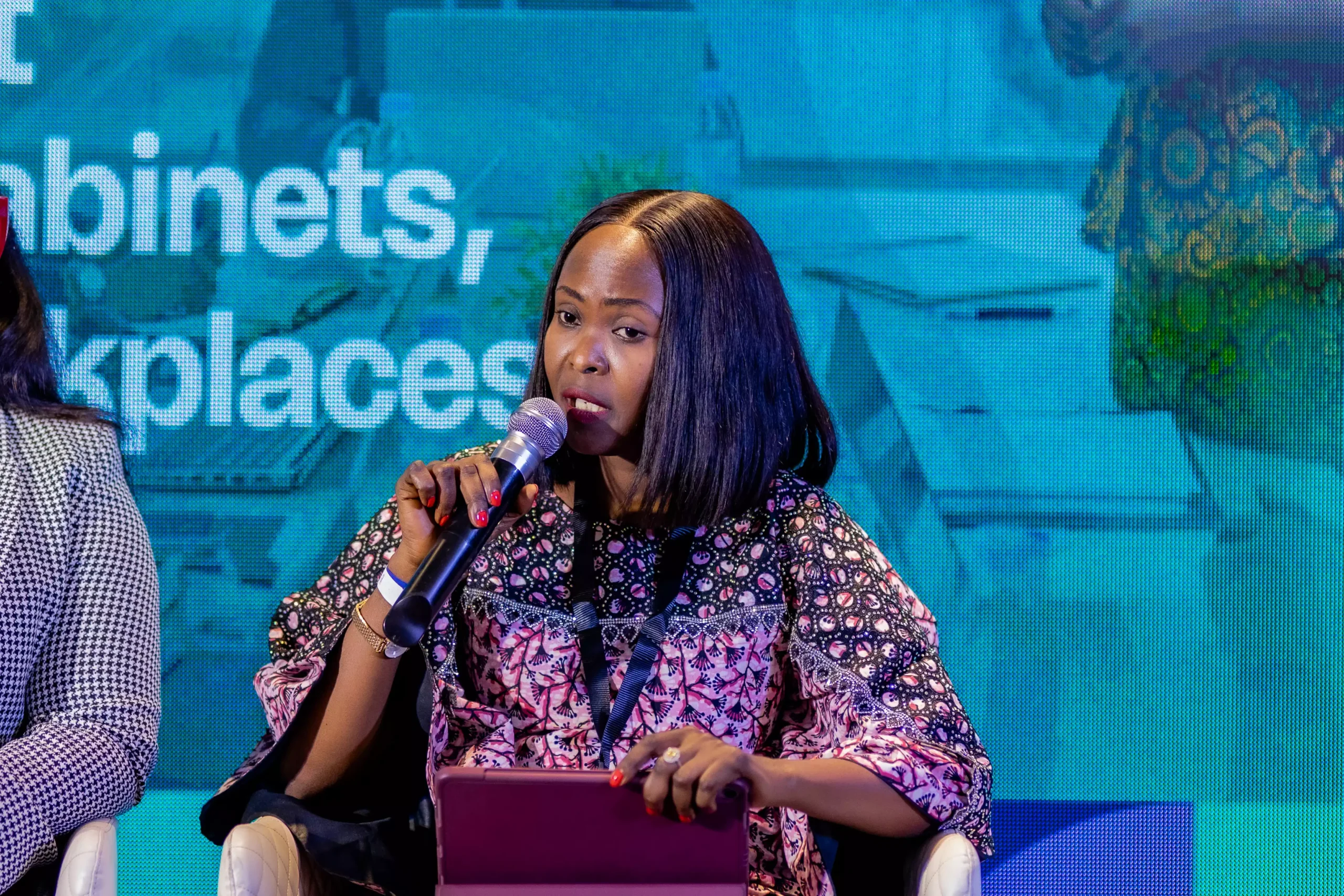
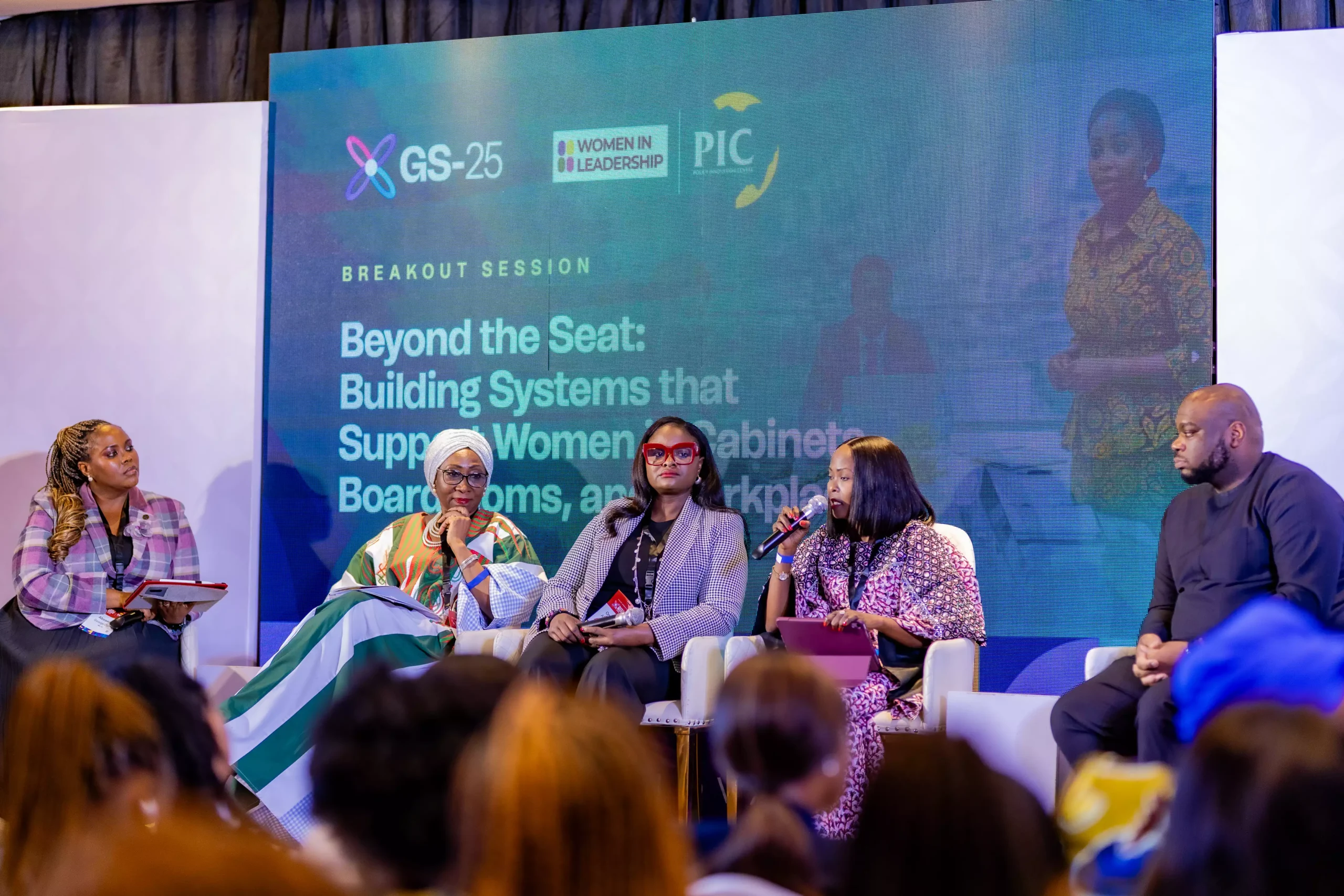
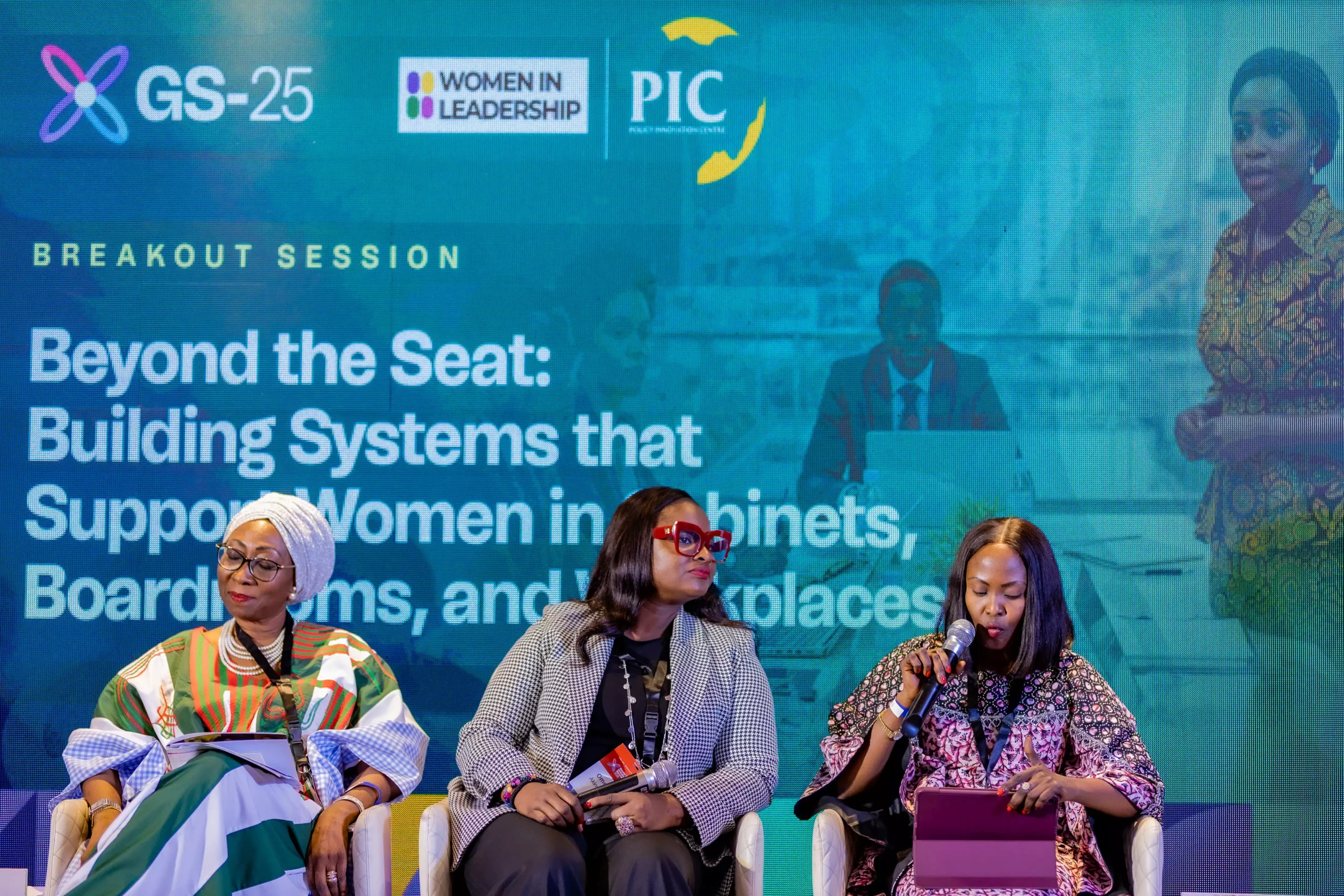
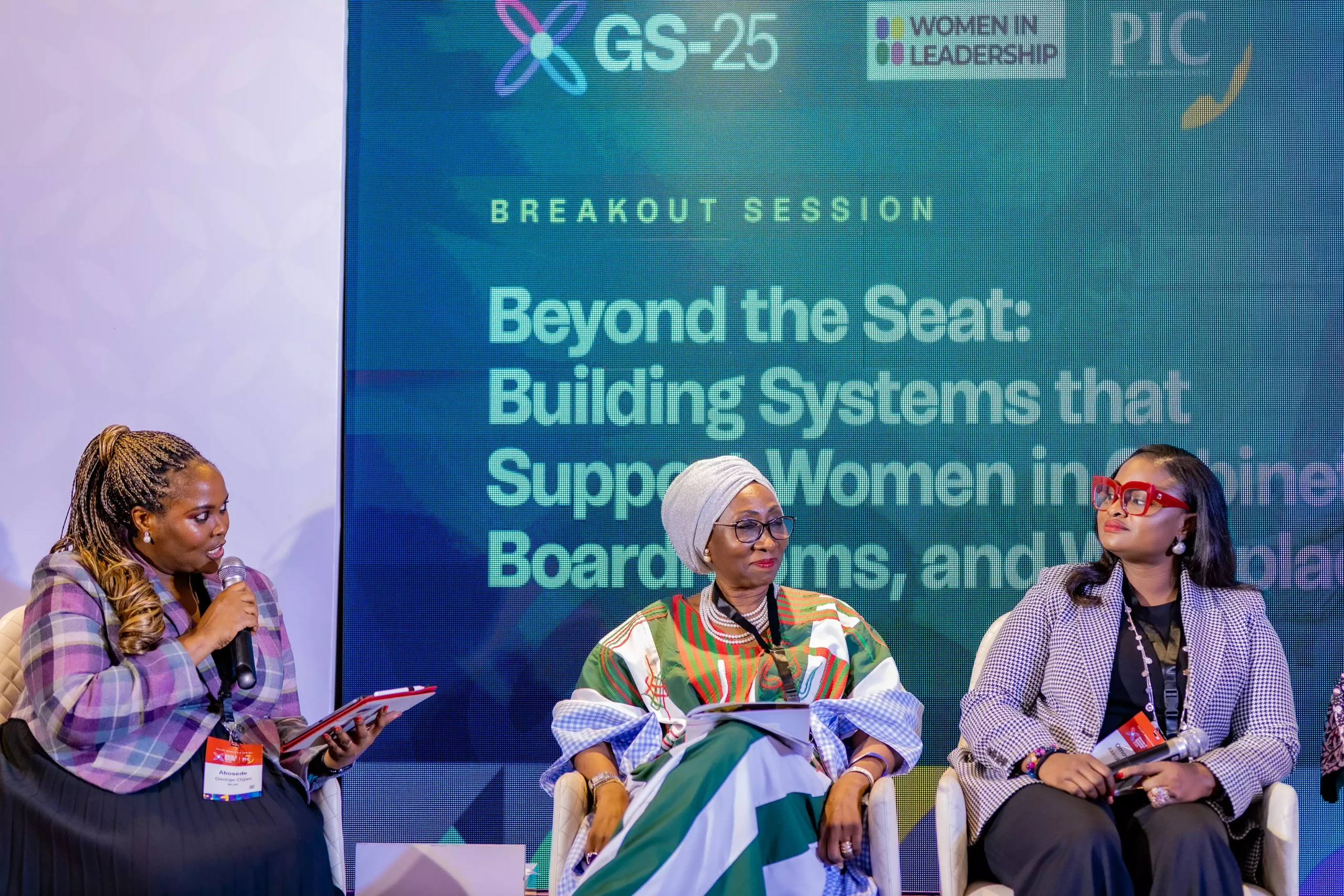
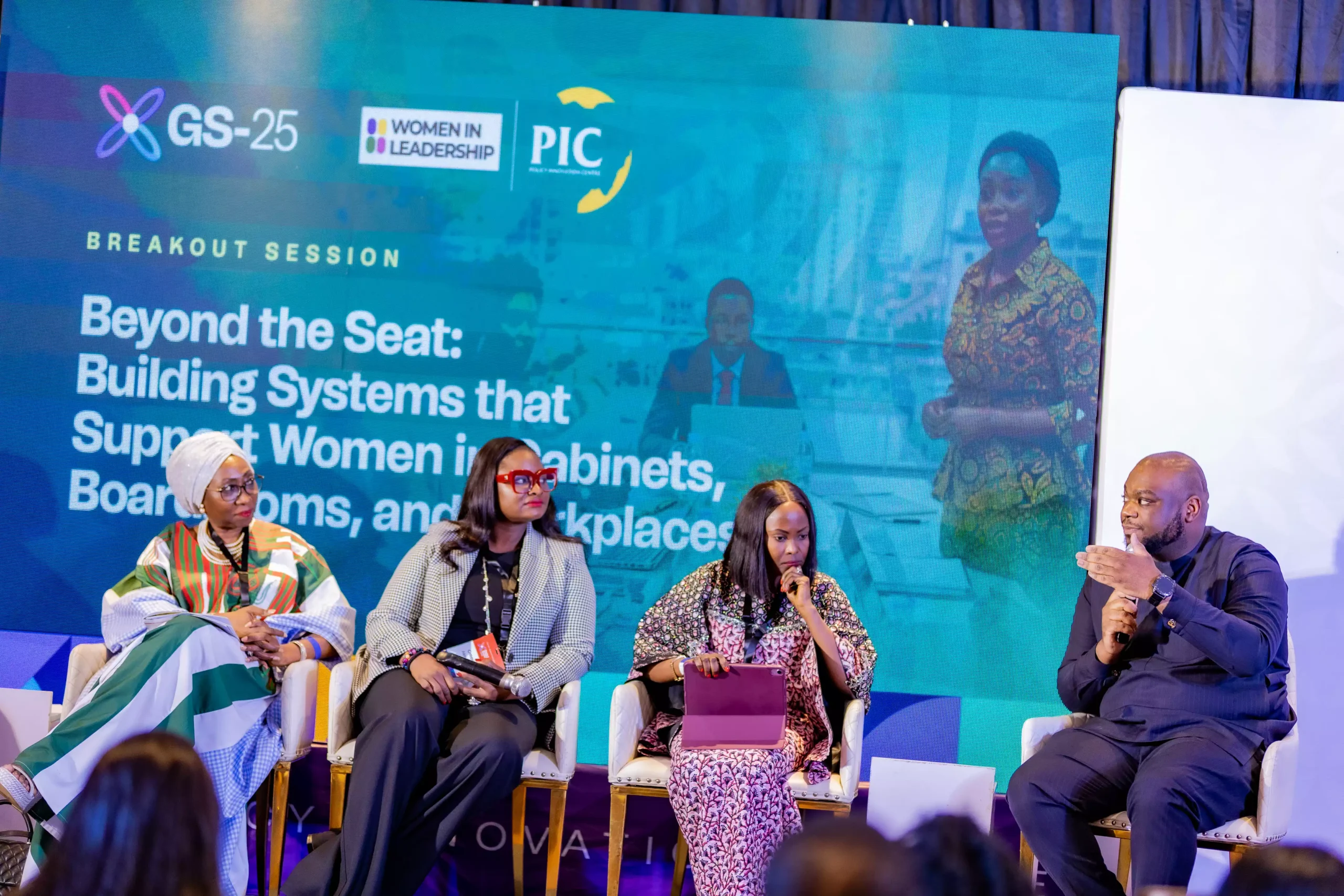
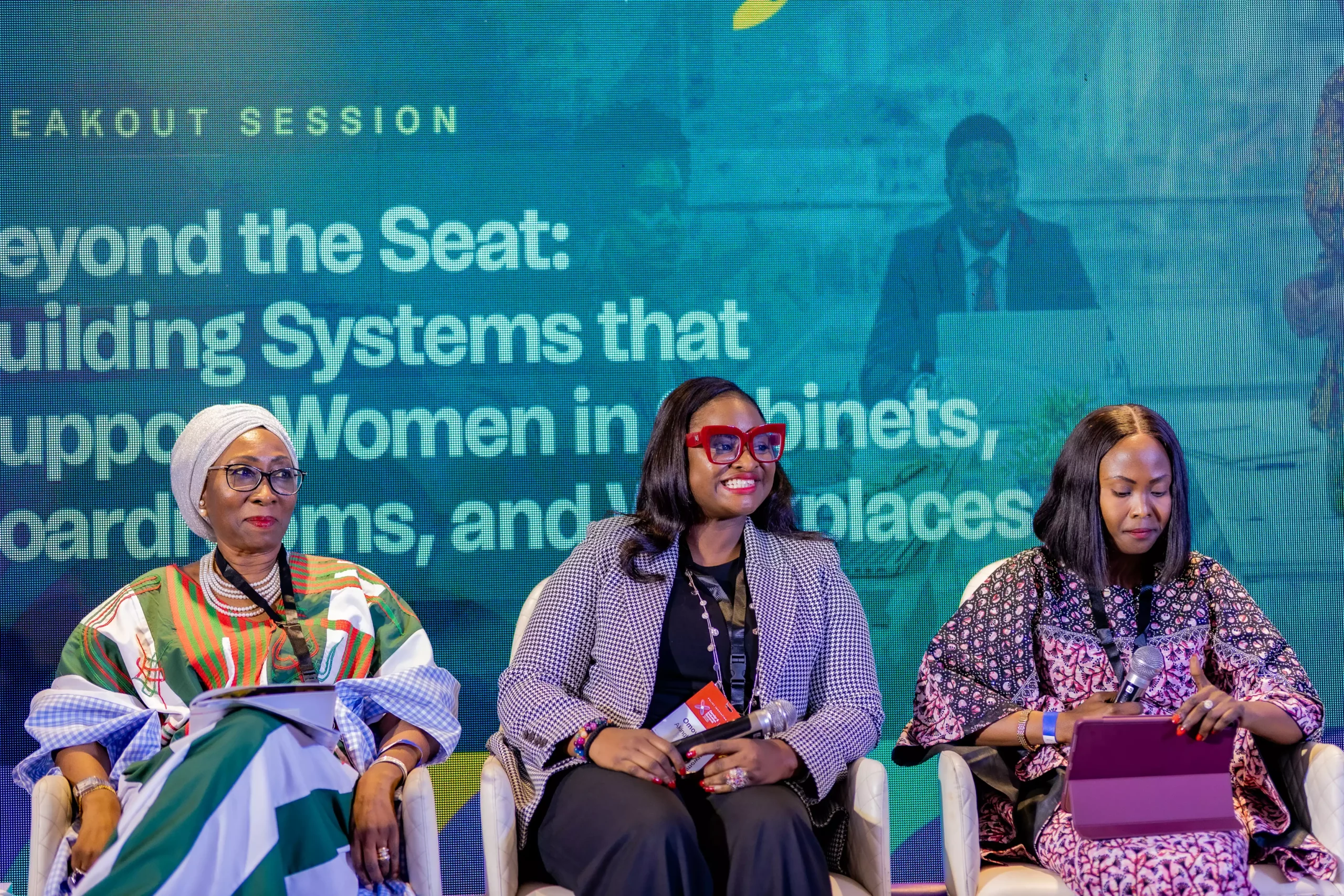
As part of the Summit, the Coalition hosted a high-level Fireside Chat themed:
Beyond the Seat: Building Systems that Support Women in Cabinets, Boardrooms, and Workplaces.
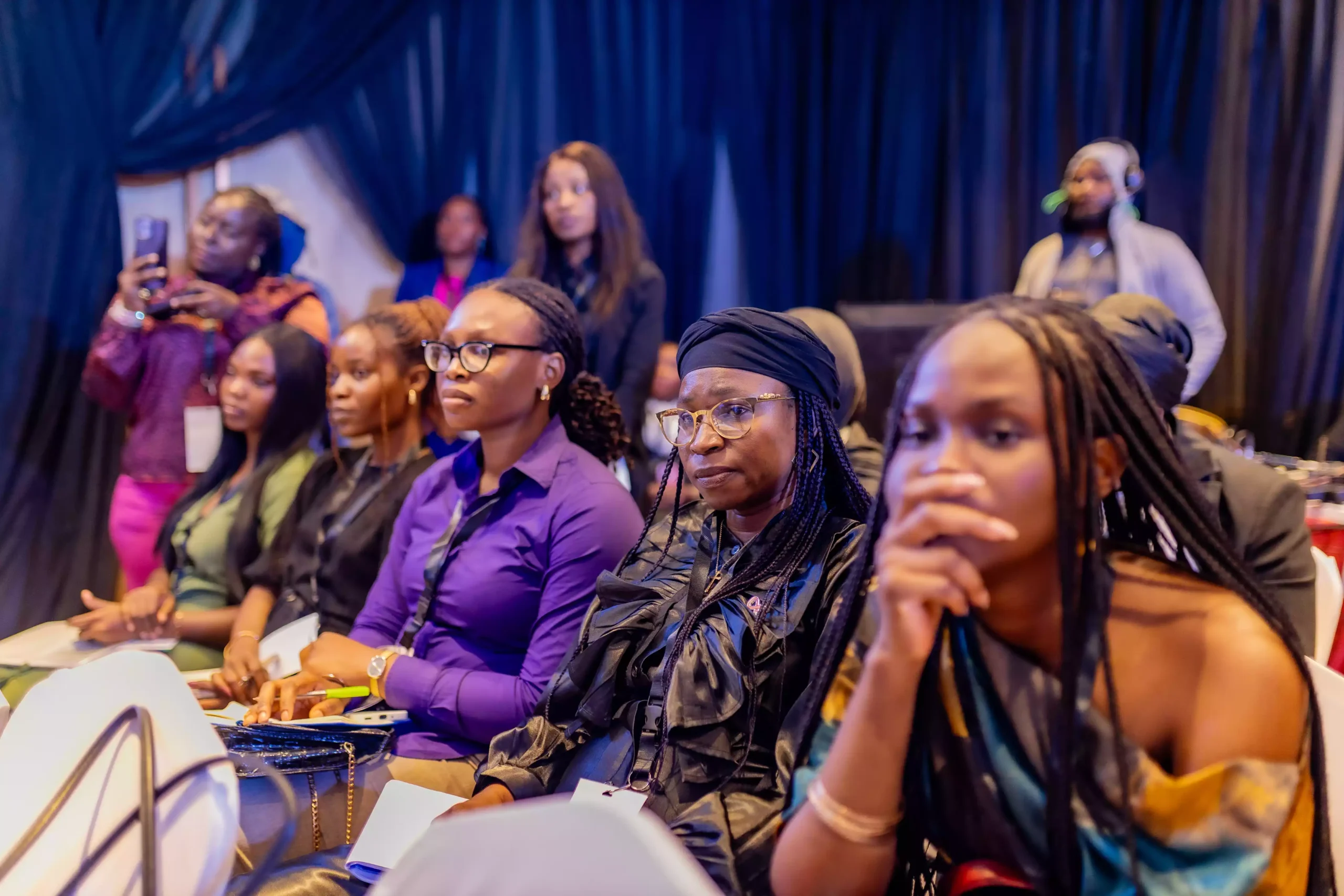
The session moved the conversation beyond symbolic inclusion to the deeper question of sustainability. Speakers explored what it takes not only to secure positions for women, but also to build institutional systems, policy frameworks, corporate governance standards, and workplace protections that enable women to lead effectively and thrive once they are at the table.
The discussion underscored a central message: representation without structural support is insufficient. Real equity requires policy reform, accountability mechanisms, and cross-sector commitment.
The launch of the WIL Coalition at a national platform such as the Gender & Inclusion Summit reflects growing consensus that advancing women’s leadership demands coordinated action across civil society, government, and the private sector.
As Nigeria approaches critical governance and electoral milestones, the Coalition stands committed to driving systemic reforms that move women from visibility to viability and from participation to power.